header decoration image

Blog

Stay up to date on all things lumber! Here, you’ll find industry updates, tips, and company news.

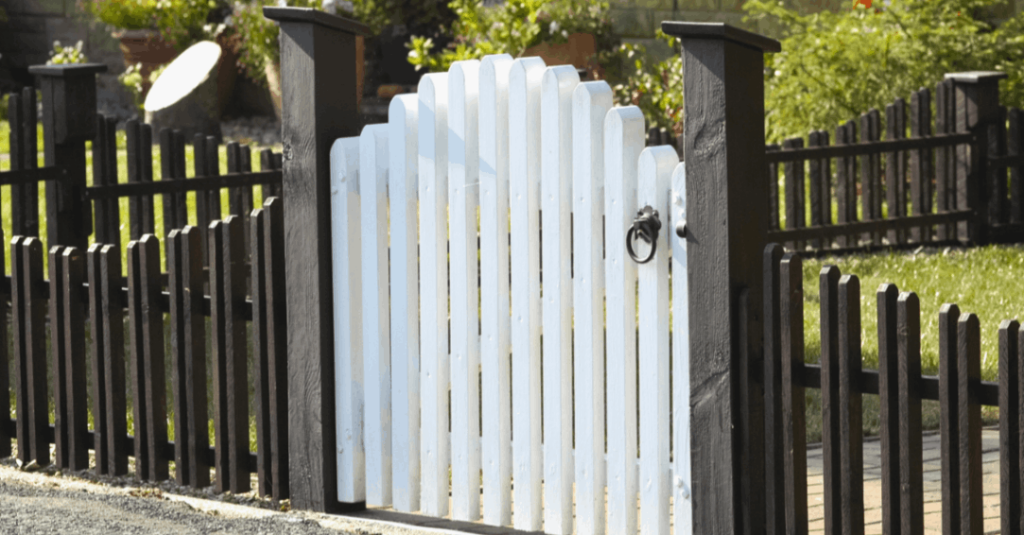
A dark brown lumber picket fence white a white gate door and ornamental handle.

5 Common Fence Gate Hardware Issues and Fixes

Ever had a day where a simple frisbee game turns into a comedy of errors? Picture this: you're out in your yard with your dog Chester, chasing down a runaway frisbee when suddenly, it takes an unexpected turn and sails right over the fence. Cue the laughter and the realization that you're now the one on retrieval duty. But as you go to exit, the gate sticks and drags along the ground. If this has been happening repeatedly, you may be at the end of your rope. Before you get frustrated and have a new one installed, let's discuss why this happens and how to fix it for good. At Ladiesburg Lumber & Supply we understand the frustration this causes. That's why we're here to guide you through the most common hardware and installation problems. Here’s what could be causing all of your woes: Misaligned Hinges Misaligned gate hinges and latches can quickly create a stubborn obstacle. If the gate sticks and is refusing to open and close smoothly, it might be due to wear and tear or improper gate installation. If you need to realign hinges on a gate, you can follow these steps: Loosen the screws on the hinges that are attached to the gate and the gate post. This will allow you to adjust the position of the hinges. With the screws loosened, move the gate to the desired position so that it opens and closes smoothly. Make sure the gate is level and aligned properly. Once the gate is in the correct position, tighten the screws on the hinges to secure them in place. Test the gate to ensure it opens and closes smoothly without sticking. If it still sticks, you may need to make further adjustments to the hinges. By following these steps, you can easily realign hinges on a gate and ensure smooth operation. If you need fence gate hardware, we have them available for purchase. Rust and Corrosion It’s important to note that rust and corrosion, primarily caused by the reaction of metal with oxygen and moisture in the air, can weaken your gate’s structure. They often go unnoticed, building up over time and slowly weakening your gate. Look out for discoloration, flaking paint, and pitting or rough spots on the surface. Remember these pesky culprits love to target metal fences, hinges, bolts, and latches. Regular maintenance and protective coatings are your best defense against them. Loose or Damaged Latches A gate without a latch is like a house without a lock; it’s an open invitation to trouble. If you're struggling to close and lock it, the problem could be due to loose or damaged latches. Latches may wear out because they’re used so often. Over time, this can cause them to shift positions. That’s why it's important to regularly inspect and maintain the latches on your property's entrance. You’ll want to make sure they’re still functioning properly. Ignoring loose or damaged latches can leave your property vulnerable to unauthorized access. Tightening screws or replacing faulty latches can help restore your security quickly. Warped or Sagging Did you know that weather conditions and poor gate installation can leave your property’s entryway a bit droopy? This warping and sagging not only looks unsightly but can also make entering and exiting a real pain. Reinforcing the frame or replacing warped sections will have your entrance standing tall once again. Avoiding Problems Did you know that many of these problems can be traced back to the initial installation process? That's why, at Ladiesburg Lumber & Supply, we offer a full-service operation that goes above and beyond simply providing fence gate hardware. When you choose us, we'll walk you through our showroom, help you select the perfect products for your needs, and even fabricate your order and load it into your truck. Plus, if you're a contractor, we'll gladly service your clients in our showroom, saving you time and hassle. And speaking of that, let's talk about lead times. We understand how important having a quick turnaround is, especially when it comes to large orders. That's why we offer quick lead times, typically just two weeks or even same-day service for those last-minute emergencies. So, you can count on us to deliver if you're planning ahead or if you need a solution on the double. Before you resign yourself to a lifetime of entryway headaches, remember we've got all of the fence gate hardware that you’ll need. From adjustable hinges to sturdy latches, we've got everything you need to keep your gates operating smoothly. Quality Solutions for Gate Hardware Issues This isn’t just about fixing what's broken; it's about having an entrance to your property that’s built to last. That’s why we take pride in not only providing solutions to your immediate fence gate hardware issues but also in offering products that are built to withstand the test of time. Our selection of gate supplies including gate hinges and latches is designed with durability in mind to ensure that your entrances remain strong, secure, and fully functional for years to come. Don’t forget that addressing issues promptly is key to maintaining security and functionality. So, when you're ready to tackle those issues head-on? Contact us today, and we’ll make sure to have all the gate supplies you need to get it back in top shape. Your frisbee game, and your dog Chester, will thank you for it!
Read More
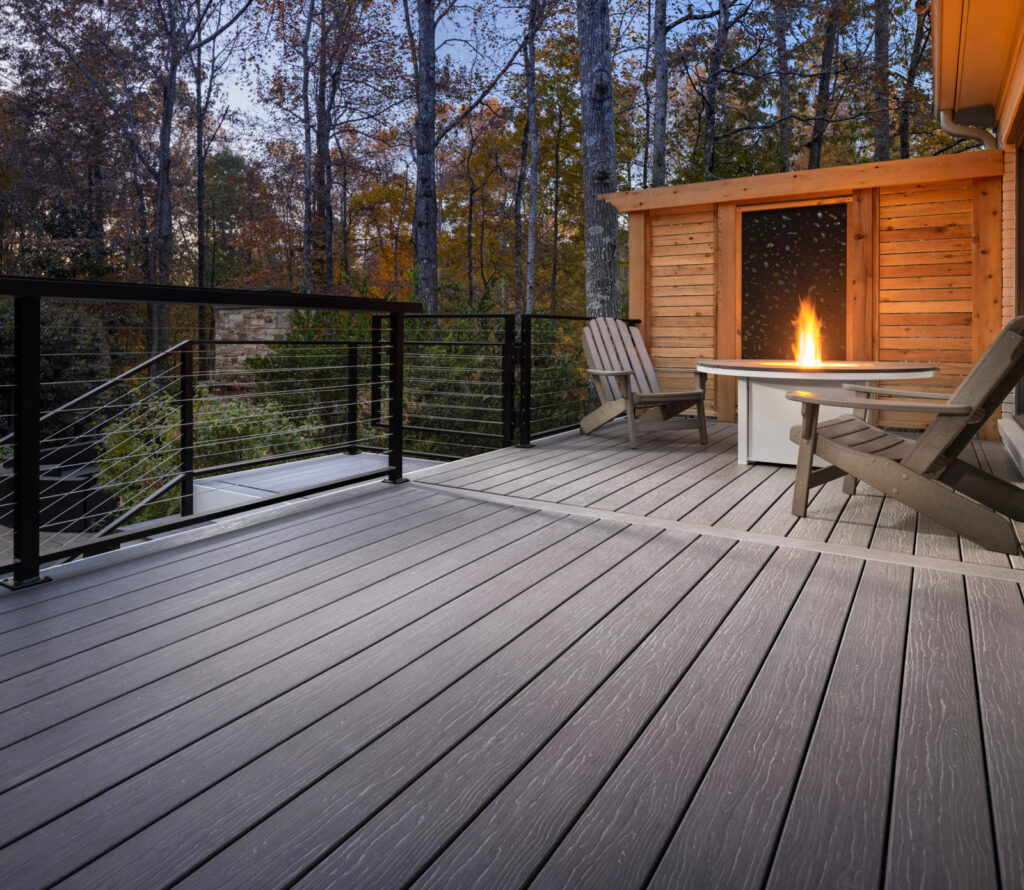
A beautifully designed and manufactured deck featuring a fire pit, Adirondack chairs, composite decking materials, and black aluminum fence.

Snow and Ice Removal for Composite Decks

The trees are bare, clocks have rolled back, and the Holidays are just around the corner which means now is the time to prepare for Old Man Winter to make his appearance. For those of us with a Composite deck, that means having the proper products to remove snow and ice on hand to ensure you, and your deck, remain safe. While most of us have wintertime necessities like hats, gloves, and coats at home, there are those of us that always seem to wait until the last minute to prepare for the cold months ahead. As soon as the first Winter Storm Warning alert is released there will be a mad rush on essentials – like milk, toilet paper, ice melt and shovels. Once the initial rush hits the store there are usually slim pickings left for those less prepared which means you may have no choice but to buy products that could have adverse effects on your deck. If you’re a new deck owner, just had a deck renovated, or have enjoyed your deck for multiple seasons, here are a few tips and tricks as recommended by the top manufacturers on how to care for your Composite deck this winter season. (If you do not have time to read the recommendations below just follow the links in the names to go directly to the Care & Cleaning resources for each Manufacturer on the list) Need to cut to the chase - I have created a combined list based on each Manufacturers’ recommendation on safe snow and ice removal here: Always use Pet Safe ice melt and plastic shovels without a metal edge (you can also use a broom or a leaf blower to remove snow). Never use course material (sand, gravel, kitty litter), other than pet safe ice melt, for traction. Sweep excess ice melt from boards to avoid over exposure to chemicals. Never use a tarp as this can potentially cause discoloration to the boards. Never try to remove ice with force or scraping. TiimberTech | Azek Snow and Ice Removal “As with any walking surface, TimberTech Deck or Porch products may become slippery in freezing weather. Take caution when walking in these conditions. For ice removal, most products containing calcium chloride can be used without damage to the deck or porch surface. These products may leave a white residue which can be cleaned using the cleaning guidelines in the previous pages. Metal shovels or plastic shovels with a metal leading edge will damage the surface of an TimberTech Deck or Porch and are not recommended for clearing snow from deck surface.” Deckorators Snow and Ice Removal: “Care should be taken when removing snow from your deck to avoid damaging the deck surface. We recommend using a plastic snow shovel, one without a metal edge. A stiff bristled, push broom can work very well and minimizes lifting. Light snow can also be cleared using a leaf blower. Do not attempt to break up or scrape ice from the deck surface; use ice melt products when needed. We are not aware of any adverse effects from the temporary use of ice melting products on Deckorators decking; however, we recommend using an ice melt product that is less harsh on the surface. These types of ice melt products may indicate "Safe for Pets" "will not harm concrete," or "will not kill grass.". Ensure that after the ice and snow melts, you brush off any residual ice melt product.” MoistureShield Snow and Ice Removal “Use a clear ice melt formula or rock salt to prevent accidental stains on your composite deck from these materials.  Select ice melt that indicates it’s safe for use on concrete and flagstone, as well as safe for children and pets. Remove excess ice melt or salt from your deck with a push broom. Clean your deck as soon as outdoor temperatures permit with warm soapy water and a thorough rinse to ensure the surface is clear of any remaining ice melt or rock salt. Do not use sharp tools (such as metal shovels, and metal or plastic ice picks) to clear snow and ice. They can accidentally gouge your composite deck surface. Do not apply sand over your decking to create traction. Sand is highly abrasive and can scratch any composite decking surface.” Trex Snow and Ice Removal: “A plastic shovel may be used to remove snow from the deck. Use calcium chloride or rock salt to melt the snow and ice from the deck surface.” Fiberon Snow and Ice Removal: “To remove ice and snow never use sand, use a calcium chloride-based “ice-melt” or rock salt. Do not use ice melt with an added colorant. The dyes can stain your composite decking.” You can rest assured that your deck boards will look as good as new if you follow these easy steps to keep you safe while out on the deck this winter.  Ladiesburg Lumber and Supply stocks Pet Safe Ice Melt, Plastic Shovels and Brooms to help keep you safe – call or stop by to learn more about the full line of deck care products we carry.

Read More
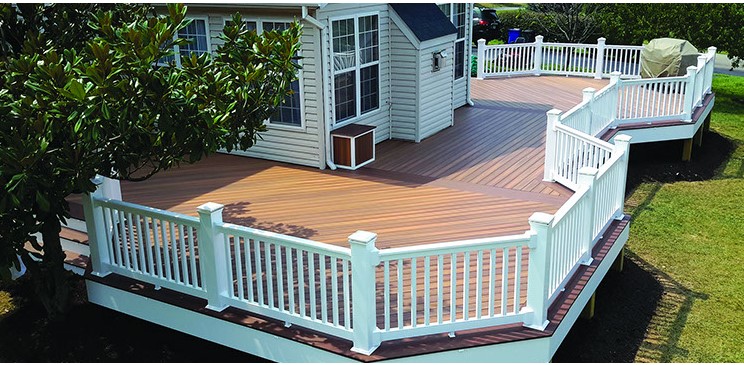
Looking down on a beautiful deck featuring white fence and post, stained boards, and stairs leading to the yard.

Step by Step Guide to Purchasing Quality Deck & Fence Materials

When preparing to install an outdoor area worthy of entertaining, the more you know upfront will benefit you in the long run. Whether installing a new deck or fence, or updating an existing one, we have compiled the following tips to help you find and purchase the best materials for your project. This list will help you locate quality materials that will save you money, add value to your home and make you the envy of neighbors in no time. Research is the key to purchasing quality materials at the best price possible. Not all products are made the same. Yes, prices do often reflect quality, but that is not always the case. Do your research before you buy to ensure that you are purchasing materials that are worth every cent. Find a retailer that keeps a variety of materials in stock (extra points if you find a store with a showroom). Dealers that keep stock on the ground tend to offer better pricing to their customers. Price - how many times have you been shopping to find a product you like only to find out except you do not purchase it because the price is higher than what you initially expected. Discard the misconception that beauty and quality mean higher prices. There are stores that may offer lower priced material that resemble the high-end counter parts, but when you look closer you can see the differences between the two. By searching for options before you plan to buy, you will have a better chance at finding a comparable product (or the same one) for a price that falls within your budget. Let’s use Vinyl Railings as an example of how products can vary in quality. Vinyl “T” rails are available in both big-box stores and specialty style supply stores. There are many brands that market “T” rails with a range of prices to go with them. Here are a few differences to look for: Reinforcement: look at the product description and see if the top and bottom rails offer aluminum reinforcement. You will be surprised to discover that many of the lower priced rails do not offer that extra support. Do you want to add railing to your deck that is not reinforced?      2. Profile: the lower price point rails tend to have a plain profile and thinner vinyl wall thickness. Whereas the higher end rails have profiles that are sleek and the support of thicker vinyl walls.      3. Brackets: an often-overlooked area on rails, but one that can make or break a style. Lower priced rails tend to have bulky and cheaply made brackets. These often crack and break and need to be replaced.   Availability: Once you have found quality materials at a competitive price you still need to guarantee that the products will be available to you – and quickly. During the COVID pandemic, when supply was at an all-time low, lead times were through the roof. That is not the case anymore – if you know where to shop. Supplies have replenished; however, stores are selling out quickly since most do not stock enough quantities to meet demand. In a nutshell, this means you will have to wait longer to start the project. Call in advance to check on availability. If they do not have the materials in stock then ask about ‘lead’ times for when they will get them. This will save you time and money in the long run. Where you shop matters – choose a store that specializes in fence and deck materials. Knowledgeable employees will not only know the difference between materials but are willing to pass this information onto you. When it comes to building a deck or fence, the materials you choose should be made to last for years to come. Whether it's a new deck for entertaining or a fence that provides security, you should be confident that the end result will add value to your home. In the end, it is important to research, ask questions and compare products. And most important - find a store that offers the knowledge to assist you in the process. Ladiesburg Lumber carries a variety of quality fence and deck materials in stock and ready to go. Their employees are eager to assist and ready to share details on the products they carry. Stop in or give them a call today!

Read More
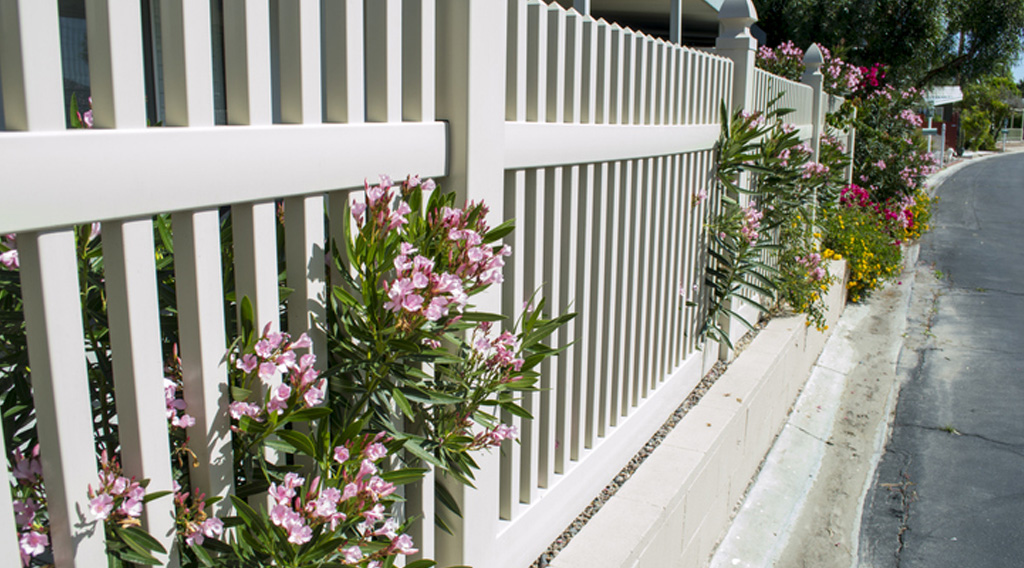
A close up shot of a white vinyl fence adjacent to a road.

Vinyl Fence Maintenance

Vinyl fences are an excellent investment for any homeowner looking for a low-maintenance, durable fencing solution. However, during the winter season, vinyl fences can be subjected to harsh weather conditions that can cause damage or affect their appearance. Here are some tips on how to maintain your vinyl fence during the winter season. Clean the fence regularly It's essential to keep your vinyl fence clean to prevent dirt, debris, and other elements from damaging the fence's surface. Use a garden hose or pressure washer to clean the fence, starting from the top down. You can also use a mild detergent solution to remove stubborn stains and dirt. Inspect the fence for damage Check your fence regularly for any signs of damage, including cracks, holes, or warping. Repair any damage immediately to prevent it from getting worse. For minor damage, you can use a vinyl fence repair kit, which is readily available at your local hardware store. Protect your fence from snow and ice Heavy snow and ice can put a strain on your vinyl fence, causing it to crack or warp. To prevent damage, ensure that your fence is not buried under snow or ice. You can use a broom to remove snow from the fence regularly. Also, avoid using salt or ice melt products near your vinyl fence as they can cause discoloration. Trim any nearby trees or plants If you have trees or plants growing close to your vinyl fence, ensure that you trim them regularly. Overhanging branches can break off and damage your fence during heavy winds or snowstorms. Store any outdoor furniture away from the fence If you have any outdoor furniture, ensure that you store it away from the fence during the winter season. This will prevent it from damaging the fence during strong winds or heavy snowfall. In conclusion, maintaining your vinyl fence during the winter season is essential to ensure its durability and longevity. Regular cleaning, inspections, and repairs can prevent damage and keep your fence looking great for years to come.

Read More
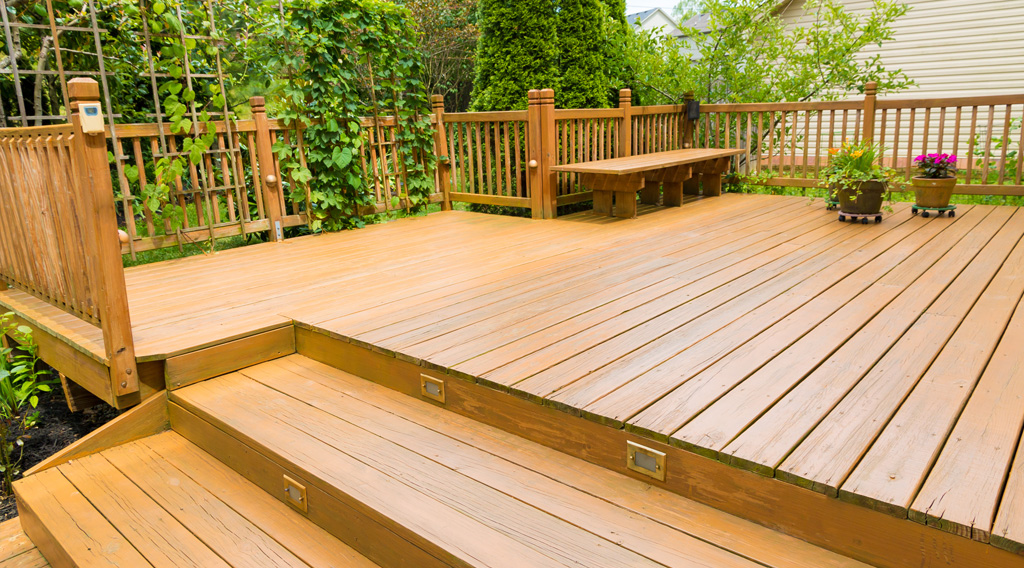
A well designed and maintained backyard deck featuring potted plants, built in lights, and trellis.

How to Make Your Wooden Deck Last for Years

Taking care of your wooden deck is crucial to ensure that it lasts for many years and maintains its beauty. Here are some tips to help you take care of your wooden deck: Clean the deck regularly: Dirt, debris, and leaves can accumulate on the surface of your deck over time. Clean the deck regularly using a broom or a leaf blower to remove the dirt and debris. You can also use a pressure washer, but be careful not to use too much pressure as it can damage the wood. Remove stains immediately: Stains from food, drinks, or oil can damage the wood if they are not removed immediately. Use a mild detergent and a soft-bristled brush to scrub the stain gently. Rinse thoroughly with water. Apply a sealer or stain: Applying a sealer or stain can protect the wood from moisture and prevent it from cracking or warping. Choose a high-quality sealer or stain that is specifically designed for outdoor use. Apply it once every two to three years. Check for rot and damage: Regularly inspect your deck for any signs of rot or damage. Check the deck boards, stairs, and railings for any cracks or splinters. Replace any damaged boards or parts immediately to prevent further damage. Trim nearby vegetation: Trees, bushes, and other vegetation can drop leaves, seeds, and sap onto your deck, causing stains and attracting insects. Trim any nearby vegetation regularly to keep your deck clean and prevent damage. Don't use harsh chemicals: Avoid using harsh chemicals like bleach, ammonia, or acids to clean your deck. These chemicals can damage the wood and strip away the natural oils, making the wood dry and brittle. Keep furniture off the deck: Heavy furniture can scratch or dent the wood, causing damage. Use furniture pads or place rugs under the furniture to prevent scratches. By following these tips, you can ensure that your wooden deck remains beautiful and functional for many years to come. Regular maintenance and care will help protect your investment and make your deck a relaxing and enjoyable outdoor space.

Read More

GET IN TOUCH WITH US!

WE WANT TO HEAR FROM YOU

"*" indicates required fields