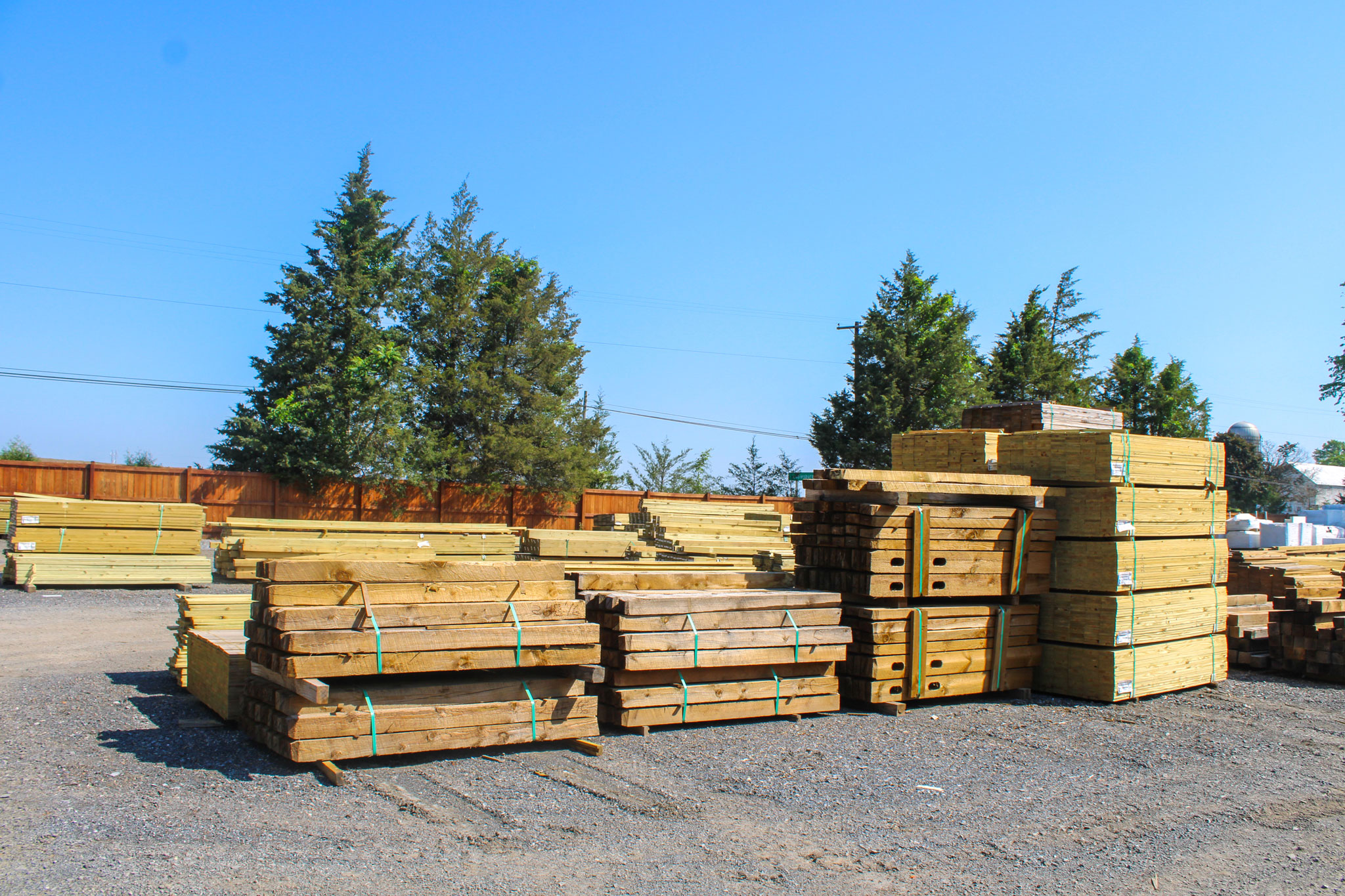

Our Products

Fencing Supplies

Decking Materials

Deck & Porch Railings

Pressure Treated Lumber

PVC Trim

Porch Posts

Hardware Store

Project Center

Benjamin Moore Paints

Pressure Treated Wood, Cedar, Oak, Vinyl, Aluminium, Chain Link, and Wire
Fencing Supplies
If you need fabricated vinyl fencing, we’ve got you covered with our very own in house fabrication. We even go the extra mile to maintain stock for privacy and picket fence options, all while beating our competitors’ pricing. If you want to see all the options in person, stop by our showroom.



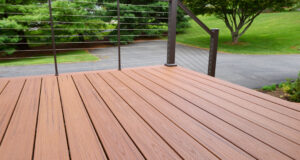
Pressure Treated Wood, Cedar, Composite, & PVC
Decking Materials
Want to choose from the biggest brand names without the high costs of big box stores? We’re happy to supply you with the right materials for your dream deck! Using the latest and greatest composite decking boards and deck railings, we’ve got you covered. And it’s not just the main components we offer; here you’ll find fasteners, hangers, and all other kinds of accessories for your next project!





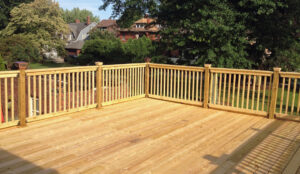
Vinyl, Aluminum, Pressure Treated Wood, and Cedar
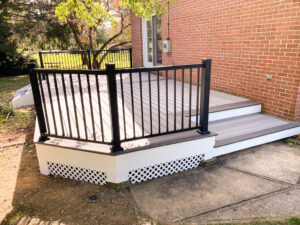
Deck & Porch Railings
Give your customers access to their preferred styles without compromising on safety. We only carry the most proven brands in the business to offer railing supplies for deck, stairs, and more. Choose from Key-Link, Timber Tech, Superior Outdoor Products, and more!





no sub heading
PVC Trim
One of the biggest concerns people have with wood is rotting. When you use PVC trim, you eliminate that concern entirely! Made from polyvinyl chloride (PVC), it’s a perfect material for door trim, soffits, fascia boards, and corner boards. Unlike wood, PVC trim doesn’t require painting—though you can still throw on a coat if you so desire.



no sub heading
Porch Posts
A porch is a great hangout spot for any home! It’s where you greet your neighbors, relax and unwind, and decorate for the holidays. But it’s not complete without porch posts that hold up the roof extension.
Deck and Fence Hardware
Hardware Store
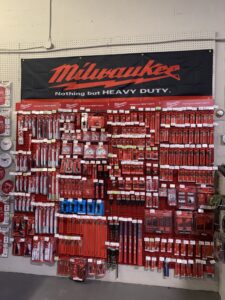
Don’t leave the lumber yard without visiting our one-stop hardware store! In addition to the building materials that come together in your completed project, you’ll find everything you need to make the ultimate home upgrade, and it’s right next to our in-house Benjamin Moore paint store! Our team will be happy to help you with recommendations for your DIY projects as well. Visit us to see all the options!





no sub heading
Project Center
If you’re looking for additional materials at a low price, our project center is the place to look! These unused materials from completed projects are the same quality you’ve come to expect from us. Stop by and take a peek!
no sub heading
Benjamin Moore Paints
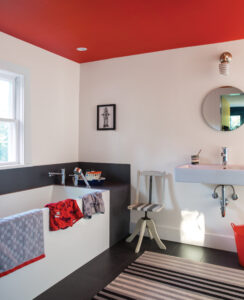
At Ladiesburg Lumber, we don’t just carry the most popular Benjamin Moore colors. We carry the full line! Level up your paint game with paints that are easy to apply, easy to touch up, and easy to maintain. It’s like a full Benjamin Moore paint store right down the road. Stop by our store for color swatch inspirations, give us a call for in-store pick-up, or shop online so your paint is ready when you need it.

All the fencing, decking, and Benjamin Moore
paint supplies you need in one specialty lumber yard
Home improvement projects are always exciting, but store-hopping to find all the fencing supplies and decking materials you need isn’t. At our lumber yard, it’s our goal to alleviate that headache. Not only will you find everything you need in one place, but the options you can explore are of the highest quality! From vinyl fences to composite decking, the latest technology is utilized here to offer exactly what you’re looking for. In addition, discover the most popular Benjamin Moore colors and much more! Our commitment to quality is rivaled only by the stock in our lumber yard!
What Sets Us Apart?
White Glove Service
Send your customers to our showroom and we’ll walk them through our wide variety of material choices with confidential contractor pricing.
Special Contractor Pricing
If you’re a contractor, take advantage of specialized pricing no matter what size project you’re working on!
Free Site Delivery
Save time on your large lumber loads with site delivery—FREE of charge on qualified orders!
Loading Assistance
Our team is on standby to help you load your purchase into your vehicle so you can haul it away.
Top Quality Materials
You won’t find lackluster building supplies or untrustworthy brands in our lumber yard. We only stock the best.
Ladiesburg Lumber Blog
News & Pro Tips

How to Choose the Right Porch Posts: Structural vs. Decorative
October 16, 2026
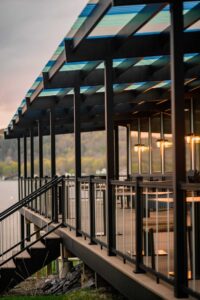
Porch posts can have different roles. They can be the thing holding up your roof. They can be something that looks nice but isn’t load-bearing. The two kinds of posts get confused by some, and mixing them up can create problems: Swap a load-bearing post for a decorative one, and you've got a safety problem. Today we’ll touch on how to tell structural and decorative porch posts apart, what each is typically made of, and how to choose the right one for your home. Ladiesburg Lumber stocks both options at our Keymar location, and we have years of experience helping homeowners and contractors get their selection right before anything goes up. The Safety Question: Is Your Post Load-Bearing? As the name suggests, a load-bearing post takes on the load generated by your roof or overhang. Remove one without a plan in place, and you're removing support your roof depends on. Here are a few tells that a post is load-bearing: It sits directly under a beam, header, or roofline. It's positioned at a corner or the end of a porch run. It sits on a footing or bracket built to carry weight. None of these are guarantees, though. Looks are never proof either way. A post can appear purely decorative and still be doing structural work underneath a wrap or cover. We’re often asked, “Are hollow columns load-bearing?” The answer is an inconclusive “sometimes.” A hollow column can be a decorative shell, or it can have a structural post hidden inside it, carrying a load. You can't tell from the outside. Because of this, never, ever remove, alter, or replace a porch post until you've confirmed its role with a professional. Structural vs. Decorative Porch Posts: The Real Difference Once you've confirmed the post's job, the difference is simple: Structural porch posts carry weight. They support the roof, overhang, or upper floor above the porch and transfer that load to the foundation. Decorative porch posts carry no weight. They're there for curb appeal and style, and nothing structural depends on them. There's a third category that can trip people up: porch post wraps. These go over an existing structural post to dress it up, hiding a plain, pressure-treated 4x4 or 6x6 underneath a finished PVC or aluminum shell. A wrap isn't decorative in the sense of being fake; it's a cosmetic layer over load-bearing structure. Material Options & How They Hold Up in Maryland So, what are porch columns made of? That depends on whether you're buying a structural piece, a decorative one, or a wrap, which brings us to materials: Wood: Traditional and affordable, and strong when pressure-treated. Needs regular sealing or painting to fight moisture and insects. PVC porch post wraps: These won't rot, don’t need painting, and handle humidity well. They’re a popular way to cover a structural wood post with a clean, finished look. Fiberglass or FRP columns: Lightweight but rigid, often chosen for larger decorative columns where a classic look matters. Aluminum: Strong, low maintenance, and available as structural posts or wraps. Maryland's Mid-Atlantic climate is tough on porches: humid summers, wood-boring insects, and freeze-thaw cycles throughout the winter. Wood needs upkeep to stand up to that. PVC and aluminum shrug off moisture and insects with far less maintenance, which is why so many homeowners here wrap their structural posts rather than leave them bare. At Ladiesburg Lumber, we stock pressure-treated and wood posts, PVC and column wraps, and a full line of porch posts, including AZEK and Royal post wraps, KeyLink aluminum structural posts, and HB&G Permacast columns. (If you're weighing wood against PVC more broadly, our breakdown of PVC trim vs. wood covers the tradeoffs.) Matching Style to Your Home Square posts read traditional and pair well with craftsman or colonial homes. Round columns (especially tapered ones) lean classical and suit farmhouse-style porches. Straight posts are simpler and more modern. Tapered posts add visual interest for a bit more cost. Match the post shape to the lines your home already has. Not sure what fits? Stop by our showroom in Keymar, see the styles in person, and talk to one of our in-house experts. Getting the Size Right Post size matters for safety and proportion alike. Structural porch posts must be sized to the load they're carrying. A decorative post or wrap needs to be proportional to your porch, roofline, and railing height, or it will look undersized no matter how nice the material is. How big should porch columns be? It depends on your porch height, roof overhang, and whether the post is structural or decorative, so there's no single answer. This is where a supplier who knows the products can help you spec the right size. Buying Porch Posts Locally vs. Big Box A big-box store sells you a post. A local yard, like Ladiesburg Lumber, helps you pick the right post: We stock multiple brands, so you're not stuck with one option that may not fit your project. We help you confirm whether you need a structural post, a decorative post, or porch post wraps, before you buy. We size the post correctly the first time, so you're not making a return trip. Your Porch, Done Right At the end of the day, picking porch posts isn't complicated once you know the order to work in: safety first, then material, then style, then size. Get the sequence right, and everything else falls into place. Your porch is one of the first things people see when they walk up to your home: another reason to get the details right. Stop by our Keymar yard or give us a call, and the Ladiesburg Lumber team will help you pick porch posts that hold up and look the part.
PVC Trim vs. Wood: Which Holds Up Better?
September 9, 2026
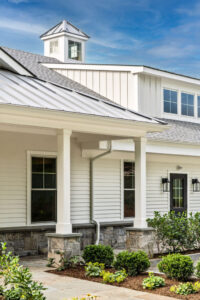
Humid summers. Driving rain. A freeze-thaw cycle that just won’t quit. This is Maryland weather. As a direct result of such variable weather, Maryland structural exteriors take a beating. Trim is usually the first place damage shows up, especially around windows, doors, and fascia, where water likes to sit. If you're planning PVC exterior trim work before the cold sets in, deciding between PVC trim vs. wood is one of the first calls you'll need to make. PVC Trim vs. Wood: In a Nutshell When you weigh PVC trim vs. wood for most exterior, water-exposed applications, PVC holds up longer than wood because it doesn't absorb moisture the way wood does. Wood still wins when you want a stain-grade look, need to match an historic detail, or you're working with a tighter budget. Neither one is the right choice everywhere; it depends on where the trim goes. What Each Material Actually Is Wood trim: Wood trim is typically pine or cedar. It has natural warmth and takes stain beautifully, but needs sealing and paint to survive outdoors. That protective layer has to be maintained over time. PVC trim: What is PVC trim? Also called cellular PVC trim, it’s a go-to for exterior projects because it's a synthetic product. It doesn't absorb water, is naturally white all the way through, and can be cut, shaped, and installed much like wood. So, what is PVC trim? In short, think of it as a moisture-proof stand-in for painted wood trim, built for exteriors that take a lot of weather. Head-to-Head: How They Hold Up Here's how PVC trim vs. wood compares across the categories that matter most: Category Wood Trim PVC Trim Moisture and rot Absorbs water; rots without upkeep Doesn't absorb water; won't rot Insects Vulnerable to termites and carpenter ants Not a food source for insects Expansion and movement Swells and shrinks with humidity Expands and contracts with temperature Rigidity and strength Very rigid; spans well unsupported Slightly more flexible; needs support on long runs Maintenance Repaint and reseal every few years Occasional cleaning; rarely needs paint Paint Holds any color well Holds most colors; dark colors need heat-resistant paint Upfront cost Lower Higher Lifespan Shorter without consistent upkeep Decades, often the life of the building Here are a few of the questions we hear most surrounding wood vs. PVC: Will PVC rot? No. It doesn't absorb water, so rot isn't a concern the way it is with wood. How long does PVC trim last outside? Decades, effectively the life of the building, when installed correctly. How does wood hold up in freeze-thaw and humidity? This is where wood struggles first. Moisture gets into the grain, freezes, expands, and creates cracks that let in even more water. The Downsides of PVC PVC trim isn't perfect, and we'd rather tell you that upfront than have you find out the hard way. It moves with temperature. PVC expands and contracts more than wood, so installers leave gap allowances at joints and ends. It needs the right hardware. Can you nail PVC trim? Yes, but it calls for stainless steel or specially coated fasteners, plus PVC-specific adhesive at the seams. Knowing how to attach PVC trim correctly is what keeps it looking clean for years. Dark colors and heat don't mix well. Dark paint can cause PVC to absorb heat and warp, so it needs heat-reflective paint made for PVC. It costs more upfront. You're paying for the longer lifespan and lower maintenance, but the price tag is higher than wood. It's less rigid on long spans. On long, unsupported runs, PVC needs more blocking than wood to stay straight. Where Wood Still Wins Wood hasn't been replaced everywhere in the PVC vs. wood conversation. Go with wood if: You want a natural, stain-grade look that shows real wood grain. You're matching trim on an historic home where authenticity matters. You need the lowest possible upfront cost. You're working on interior trim, where moisture isn't a factor and character matters more than water resistance. Which Should You Choose? Here's the quick version of this important decision: Choose PVC exterior trim if you're doing fascia, corner boards, window and door trim, or any exterior trim application that sits in the direct path of rain and snow. Choose wood if you want a stain-grade finish, you're restoring an historic detail, your budget is tight, or you're trimming out an interior space. If you're getting ahead of winter, weather-exposed trim is where PVC's moisture resistance earns its keep. Match the Material to the Job There's no universal winner in the PVC trim vs. wood debate. The right call depends on where the trim goes and how Maryland's climate will treat it. PVC's resistance to moisture is why it wins in most exterior applications, while wood keeps its place where looks matter most. Ladiesburg Lumber stocks Royal PVC trim, wood trim, and Benjamin Moore paint for whichever material you choose, along with advice on what fits your project. Browse examples of both in our project gallery, then request a quote or stop by before the weather turns.
Deck Railing Height & Code Requirements in Maryland
August 21, 2026
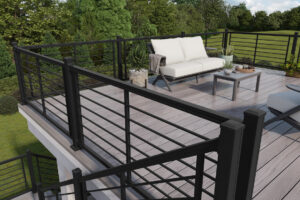
Anyone who’s been through the mental rigors of a full-blown home renovation, or even a very involved DIY home-improvement project, is familiar with the blizzard of decisions that accompanies such an endeavor. Building a new deck is a good example of this experience. The first decision points are likely to be style, color, material, size, i.e., the fun stuff. But deck railing height? Not so much, probably, but you’ll have to think about it at some point. That’s because deck railing height is a safety and code issue. Your deck will need to pass inspection and, more importantly, protect the people who use it. Maryland follows the International Residential Code (IRC), and individual counties and municipalities can layer their own amendments on top of it. That combination is where a lot of homeowners, and even contractors, get tripped up. It’s good to know the required heights, the spacing rules for balusters, and exactly when a railing is legally required in the first place. When Is a Deck Railing Required? A deck railing, or guardrail, is required once a deck surface sits more than 30 inches above the grade below it. In short: Under 30 inches above grade: A railing is optional. At or above 30 inches: A guardrail is mandatory. The reason is simple. The 30-inch mark is roughly the point where a fall is likely to cause serious injury, and the higher the deck, the greater the risk. So the code draws a firm line to reduce fall hazards. If any part of your deck platform crosses that threshold, plan on a guardrail. How High Should a Deck Railing Be? (Height Requirements) So how high should a deck railing be? For most homes, the answer is at least 36 inches, measured from the deck surface to the top of the rail. The height depends on the type of project: Residential decks: A minimum of 36 inches under the IRC Commercial and many multi-family decks: A taller 42-inch guardrail If you’re building a standard backyard deck, 36 inches is your number, but always confirm your project's category. Getting deck railing height right the first time saves you from tearing out and rebuilding a rail that misses the mark. Deck Baluster & Baluster Spacing Requirements Balusters are the vertical pieces that fill the space between posts, and their spacing is strictly regulated. The rules come down to a simple sphere test: Gaps between balusters must be narrow enough that a four-inch sphere can’t pass through. The same four-inch principle applies to the gap below the bottom rail. On stairs, a six-inch sphere is allowed to pass through the triangular opening formed where the tread, riser, and bottom rail meet. The goal is to keep small children from slipping through or getting stuck. Proper baluster spacing is just as important to passing inspection as your deck railing height. Stair & Handrail Requirements Stairs bring their own set of rules: A graspable handrail is required on any stairway with four or more risers. Handrail height should typically fall between 34 and 38 inches, measured from the stair nosing. It also helps to know the difference between the two railing types, since people often use the terms interchangeably: Guardrail: Protects against falling off the edge of a raised surface Handrail: Gives you something to grip as you climb or descend stairs A full deck stair system often needs both. How Maryland & Local Jurisdictions Apply the Code Maryland adopts the IRC statewide, so the deck railing code baseline is consistent from county to county. That said, local jurisdictions can and do amend the code, adding their own requirements on top of the state standard. This is why you should always confirm the specifics with your local permitting office before you build. Pulling a permit isn’t just paperwork: It’s your assurance that the deck railing code being applied to your project matches what the inspector will check. In Frederick County and surrounding jurisdictions, a quick call to the local office will tell you what applies to your address. Choosing a Railing That Meets Code Once you know the rules, the easy path is to choose a railing system engineered to meet them. Code-compliant railing systems take the guesswork out of height and spacing, because the components are already sized to satisfy the standard deck railing height and baluster gaps. Key-Link is one such option: their aluminum railing systems are built for code compliance and long-term durability. At Ladiesburg Lumber & Supply, we carry a range of materials to fit any project: Vinyl Aluminum, including Key-Link Composite Cable Wood Get Code-Compliant Railings at Ladiesburg Lumber Still unsure about your deck railing height or which system fits your build? Stop by Ladiesburg Lumber in Keymar, MD. Our knowledgeable team can match a compliant railing system to your project, walk you through trusted vendors like Key-Link, and answer your code questions in person. Request a quote today and build with confidence.
Can You Paint Pressure-Treated Wood? (And Should You?)
June 25, 2026
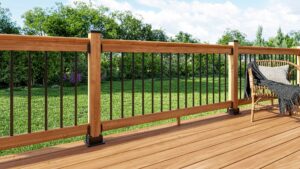
“Can you paint pressure-treated wood?” This is a question we’ve fielded many times over the years at Ladiesburg Lumber Supply, along with “Can you stain pressure-treated wood?” The answer to both of these recurring questions is a firm “yes.” But the most common reason these kinds of projects fail has nothing to do with the paint or stain; it's skipping the drying process. In other words, success comes down to knowing when your lumber is ready. What Makes Pressure-Treated Wood Different Pressure-treated lumber is made by forcing preservative chemicals deep into the wood under pressure, giving it resistance to rot, insects, and moisture. Freshly treated wood still holds a significant amount of that moisture and chemical residue. Apply finish too early and you seal that moisture in: the result is peeling, bubbling, and adhesion failure within the first season. How Long Should You Wait? Can you paint pressure-treated wood right after it comes off the treatment line? No. Following are some factors to consider in timing your project: Standard drying window: Three to six months for air-dried lumber; KDAT (Kiln Dried After Treatment) lumber can be ready sooner. The water droplet test: Sprinkle a few drops on the surface. If they bead up, the wood isn't ready. If they absorb quickly, you're good to go. Environmental factors: Humidity, limited sun exposure, and poor air circulation all slow drying. (Central Maryland summers tend to push the timeline toward the longer end of that window.) What happens if you paint too early? Peeling, bubbling, and adhesion failure before the end of the first season. Paint vs. Stain: Which Is Better for Treated Lumber? Can you stain pressure-treated wood instead of painting it? Absolutely, and for many applications it's the smarter move. Penetration vs. surface: Stain penetrates the wood fibers; paint sits on top. On treated lumber, penetrating finishes tend to hold up better over time. Maintenance: Stain needs reapplication more often but is easy to touch up. Paint can last longer but peels and requires more prep work to redo. Appearance: Paint gives a solid, opaque color. Stain shows the natural wood grain. Best use cases: Paint performs well on trim, railings, and porch applications. Staining pressure-treated wood is the better call for fences, decks, and horizontal surfaces exposed to standing water. The bottom line? Whether it’s a fence or deck, go with a penetrating exterior stain. If you’re talking railings, trim, or a porch structure, use exterior paint with a proper primer. How to Paint Pressure-Treated Wood: Step-by-Step The answer to can you paint pressure-treated wood comes down to prep. Follow these steps: Confirm the wood is dry using the water droplet test. Clean the surface, i.e., remove dirt, mildew, and debris. Sand lightly to open the grain and improve adhesion. Apply a high-quality exterior primer: Benjamin Moore Fresh Start® All-Purpose Primer or Ultra Spec® Exterior Primer are both strong choices for treated lumber. Apply two coats of exterior paint (with proper dry time between coats). Mind the conditions: Avoid direct sun or temperatures below 50°F during application. How to Stain Pressure-Treated Wood: Step-by-Step Staining pressure-treated wood follows a similar process, with one key advantage: No primer is required. Confirm the wood is dry using the water droplet test. Clean and lightly sand the surface. Choose your stain: Semi-transparent shows the grain; solid covers more but behaves more like paint over time. Apply with a brush or roller, working with the grain. Reapplication timeline: every two to three years for horizontal surfaces, every three to five years for vertical ones. Mistakes to avoid include: Applying finish before the wood has fully dried Using interior primers or paints on exterior treated lumber Skipping primer when painting (not required for staining, but essential for painting) Applying product when it's too hot, too cold, or too humid Choosing the wrong product for the job: a fence stain on a porch railing won't perform the way it should What Products Work Best? For painting, Benjamin Moore's Fresh Start® All-Purpose Primer and Ultra Spec® Exterior line are well-matched to treated lumber: with strong adhesion, the flexibility to handle wood movement, and weather resistance built for a four-season climate like Central Maryland's. Can you paint pressure-treated wood with a budget-grade paint and primer? You can, but product quality is one of the biggest factors in how long your finish holds. For staining, the Benjamin Moore Arborcoat® line is worth a look for both deck and fence projects. Shop at Ladiesburg Lumber Can you paint pressure-treated wood and pick up everything you need in one stop? At Ladiesburg Lumber, the answer is another resounding yes! We carry both pressure-treated lumber and the full Benjamin Moore paint line, so you can take your project from raw boards to finished surface without making a second trip. And if you want to compare finish options in person before you commit to either paint or stain, just stop in and ask. The team at Ladiesburg Lumbers knows the products you need inside and out, and they'll help you land on the right choice for your specific project. Ready to get started? Request a quote or stop by today.
Customer Testimonials
SEE WHAT OUR SATISFIED CUSTOMERS ARE SAYING

Lorem ipsum dolor sit amet, consectetur adipiscing elit, sed do eiusmod tempor incididunt ut labore et dolore magna aliqua. Ut enim ad minim veniam, quis nostrud exercitation ullamco laboris nisi ut aliquip ex ea commodo consequat.
~
John Jacob
Lorem ipsum dolor sit amet, consectetur adipiscing elit, sed do eiusmod tempor incididunt ut labore et dolore magna aliqua. Ut enim ad minim veniam, quis nostrud exercitation ullamco laboris nisi ut aliquip ex ea commodo consequat.
~
Jimmy Johns
Lorem ipsum dolor sit amet, consectetur adipiscing elit, sed do eiusmod tempor incididunt ut labore et dolore magna aliqua. Ut enim ad minim veniam, quis nostrud exercitation ullamco laboris nisi ut aliquip ex ea commodo consequat.
~
Patrick Harmon
Lorem ipsum dolor sit amet, consectetur adipiscing elit, sed do eiusmod tempor incididunt ut labore et dolore magna aliqua. Ut enim ad minim veniam, quis nostrud exercitation ullamco laboris nisi ut aliquip ex ea commodo consequat.
~
Bill Chill
Want more information on the building supplies we offer? Drop us a line and we’ll answer all your questions!