PVC Trim vs. Wood: Which Holds Up Better?
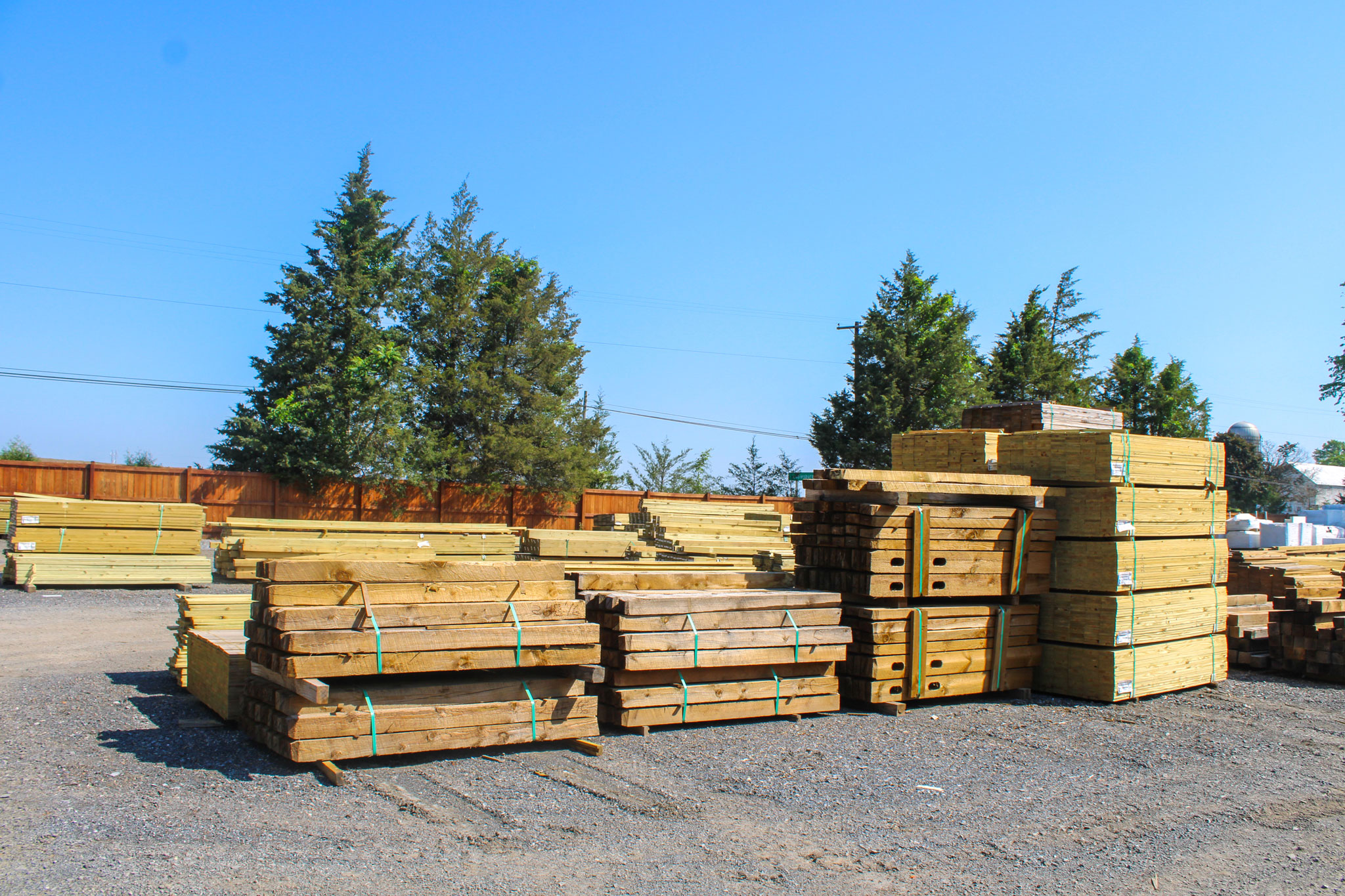
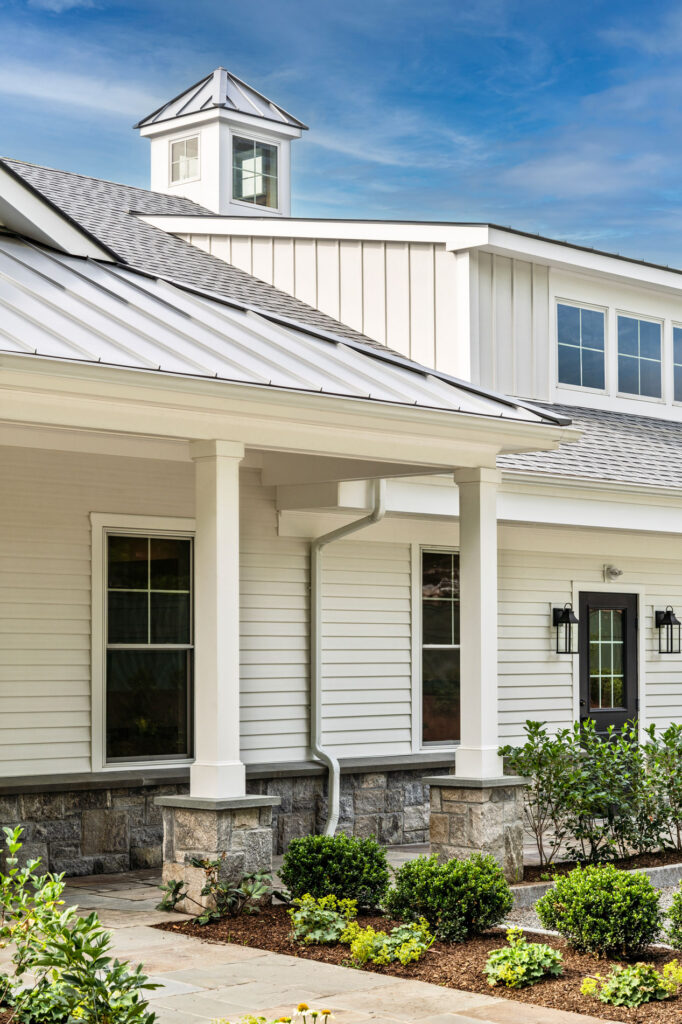
Humid summers. Driving rain. A freeze-thaw cycle that just won’t quit. This is Maryland weather. As a direct result of such variable weather, Maryland structural exteriors take a beating. Trim is usually the first place damage shows up, especially around windows, doors, and fascia, where water likes to sit. If you're planning PVC exterior trim work before the cold sets in, deciding between PVC trim vs. wood is one of the first calls you'll need to make. PVC Trim vs. Wood: In a Nutshell When you weigh PVC trim vs. wood for most exterior, water-exposed applications, PVC holds up longer than wood because it doesn't absorb moisture the way wood does. Wood still wins when you want a stain-grade look, need to match an historic detail, or you're working with a tighter budget. Neither one is the right choice everywhere; it depends on where the trim goes. What Each Material Actually Is Wood trim: Wood trim is typically pine or cedar. It has natural warmth and takes stain beautifully, but needs sealing and paint to survive outdoors. That protective layer has to be maintained over time. PVC trim: What is PVC trim? Also called cellular PVC trim, it’s a go-to for exterior projects because it's a synthetic product. It doesn't absorb water, is naturally white all the way through, and can be cut, shaped, and installed much like wood. So, what is PVC trim? In short, think of it as a moisture-proof stand-in for painted wood trim, built for exteriors that take a lot of weather. Head-to-Head: How They Hold Up Here's how PVC trim vs. wood compares across the categories that matter most: Category Wood Trim PVC Trim Moisture and rot Absorbs water; rots without upkeep Doesn't absorb water; won't rot Insects Vulnerable to termites and carpenter ants Not a food source for insects Expansion and movement Swells and shrinks with humidity Expands and contracts with temperature Rigidity and strength Very rigid; spans well unsupported Slightly more flexible; needs support on long runs Maintenance Repaint and reseal every few years Occasional cleaning; rarely needs paint Paint Holds any color well Holds most colors; dark colors need heat-resistant paint Upfront cost Lower Higher Lifespan Shorter without consistent upkeep Decades, often the life of the building Here are a few of the questions we hear most surrounding wood vs. PVC: Will PVC rot? No. It doesn't absorb water, so rot isn't a concern the way it is with wood. How long does PVC trim last outside? Decades, effectively the life of the building, when installed correctly. How does wood hold up in freeze-thaw and humidity? This is where wood struggles first. Moisture gets into the grain, freezes, expands, and creates cracks that let in even more water. The Downsides of PVC PVC trim isn't perfect, and we'd rather tell you that upfront than have you find out the hard way. It moves with temperature. PVC expands and contracts more than wood, so installers leave gap allowances at joints and ends. It needs the right hardware. Can you nail PVC trim? Yes, but it calls for stainless steel or specially coated fasteners, plus PVC-specific adhesive at the seams. Knowing how to attach PVC trim correctly is what keeps it looking clean for years. Dark colors and heat don't mix well. Dark paint can cause PVC to absorb heat and warp, so it needs heat-reflective paint made for PVC. It costs more upfront. You're paying for the longer lifespan and lower maintenance, but the price tag is higher than wood. It's less rigid on long spans. On long, unsupported runs, PVC needs more blocking than wood to stay straight. Where Wood Still Wins Wood hasn't been replaced everywhere in the PVC vs. wood conversation. Go with wood if: You want a natural, stain-grade look that shows real wood grain. You're matching trim on an historic home where authenticity matters. You need the lowest possible upfront cost. You're working on interior trim, where moisture isn't a factor and character matters more than water resistance. Which Should You Choose? Here's the quick version of this important decision: Choose PVC exterior trim if you're doing fascia, corner boards, window and door trim, or any exterior trim application that sits in the direct path of rain and snow. Choose wood if you want a stain-grade finish, you're restoring an historic detail, your budget is tight, or you're trimming out an interior space. If you're getting ahead of winter, weather-exposed trim is where PVC's moisture resistance earns its keep. Match the Material to the Job There's no universal winner in the PVC trim vs. wood debate. The right call depends on where the trim goes and how Maryland's climate will treat it. PVC's resistance to moisture is why it wins in most exterior applications, while wood keeps its place where looks matter most. Ladiesburg Lumber stocks Royal PVC trim, wood trim, and Benjamin Moore paint for whichever material you choose, along with advice on what fits your project. Browse examples of both in our project gallery, then request a quote or stop by before the weather turns.