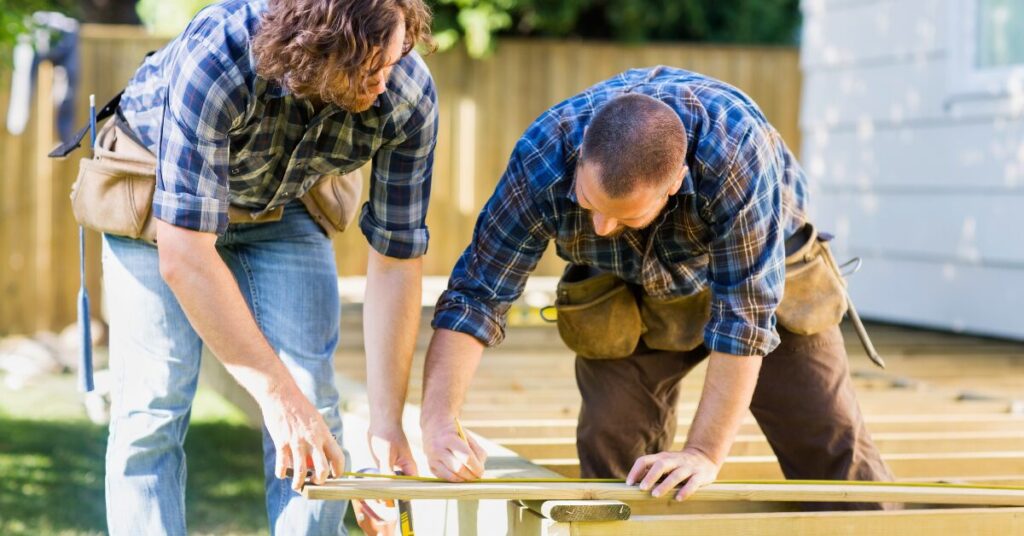
Two deck building contractors marking measurements on a piece of lumber.

2026 Trends in Deck Building: What Contractors Need to Know

There will always be a demand for outdoor living spaces. Who doesn’t like to spend time outside in a private space? But demand is actually accelerating of late, with homeowners prioritizing durable, low-maintenance spaces that extend usable square footage. As such, for contractors, deck building is no longer just about meeting code; it’s about delivering long-term performance, visual appeal, and materials that stand up to changing climates.  As clients invest more heavily in outdoor environments, expectations around longevity, aesthetics, and return on investment continue to rise. Staying ahead of 2026 material innovations and deck design trends will allow you to differentiate your services, reduce warranty issues, and provide solutions that align with evolving homeowner expectations: all while protecting your margins. Composite & PVC Decking Continue to Dominate Composite and PVC products continue to lead the market, reshaping how deck projects are specified and installed. Contractors and homeowners favor these materials for their resistance to moisture, insects, and fading, along with their minimal maintenance requirements.  For 2026, manufacturers are introducing the following performance upgrades: Advanced color blending for a more natural appearance Enhanced slip resistance for improved safety Cooler-touch technology that reduces surface heat in direct sunlight These will translate directly into fewer callbacks, longer product lifespans, and more predictable project outcomes for professional deck building crews. Surge in Sustainable & Recycled Materials Sustainability is no longer a niche request; it’s a core consideration in many purchasing decisions. Homeowners are increasingly asking contractors to recommend environmentally responsible options during deck building consultations. Recycled composite boards, reclaimed wood-look alternatives, and low-waste manufacturing processes are gaining traction heading into 2026.  Contractors can position these products as both responsible and practical, emphasizing consistent quality, long service life, and reduced material waste. These benefits resonate strongly when presenting modern decking ideas to environmentally conscious homeowners. Aluminum Decking Gains Ground Aluminum decking systems are gaining visibility as performance demands increase across residential and commercial projects. This is because aluminum is known for: Excellent heat dissipation Fire resistance Exceptional longevity Aluminum also performs particularly well in: Waterfront properties Rooftop applications High-moisture environments While often positioned as a premium option, aluminum can simplify deck building in challenging locations and significantly reduce long-term maintenance claims. For contractors focused on durability and liability reduction, aluminum systems represent a compelling addition to their material portfolio. Enhanced Substructure & Fastener Innovations Behind-the-scenes improvements are also shaping 2026 deck design trends. Stronger, corrosion-resistant framing materials are becoming more common, supporting longer spans and improving structural reliability. At the same time, hidden fastener systems are rapidly becoming standard, offering cleaner aesthetics, faster installation, and reduced surface damage.  These innovations help contractors streamline deck building workflows while improving safety, consistency, and compliance with evolving building codes and inspection standards. Bold Color Trends & Natural Textures Color and texture choices are playing a larger role in homeowner decision-making. Popular palettes for 2026 include: Deeper earth tones Modern grays Multi-tone variegated boards that add visual interest and depth Surface textures that replicate hand-scraped finishes or natural wood grain continue to gain popularity, offering a refined look without the maintenance demands of traditional lumber. Providing clients with on-trend decking ideas that align with current deck design trends can help contractors shorten sales cycles and increase close rates. Demand for Low-Maintenance, High-Performance Materials Across all materials categories, the strongest demand is for low-maintenance, high-performance solutions. Homeowners want decking products that resist staining, fading, moisture intrusion, and structural degradation without requiring annual upkeep.  Contractors who clearly communicate these advantages can position premium materials as long-term value upgrades. This approach reinforces the importance of professional deck building expertise in delivering outdoor spaces that perform reliably for decades. Stay Informed, Stay Profitable  The same as in any profession, in contracting it pays (literally) to stay knowledgeable. To stay up on the latest trends. Looking ahead to 2026, the contractors who stay informed about material innovations and market shifts will be the contractors best positioned for sustained growth.  From sustainable manufacturing and structural advancements to refined aesthetics and performance-driven decking ideas, the decking industry continues to evolve. For professionals, success will increasingly depend on efficient materials sourcing, accurate estimating, and access to products that perform consistently across a wide range of jobsite conditions. Working closely with knowledgeable suppliers allows contractors to stay current on product availability, installation best practices, and manufacturer-backed warranties. Reliable sourcing-partners can also help contractors navigate lead times, code considerations, and product substitutions without disrupting project schedules.  As homeowner expectations continue to rise, aligning with suppliers who understand contractor workflows is a practical way to protect profitability, reduce risk, and deliver outdoor spaces that meet both performance and design expectations. Ladiesburg Lumber & Supply provides top-notch lumber and building supplies to our customers, and our knowledgeable staff is always here to answer any questions you may have. Reach out to us for your next job!

Read More
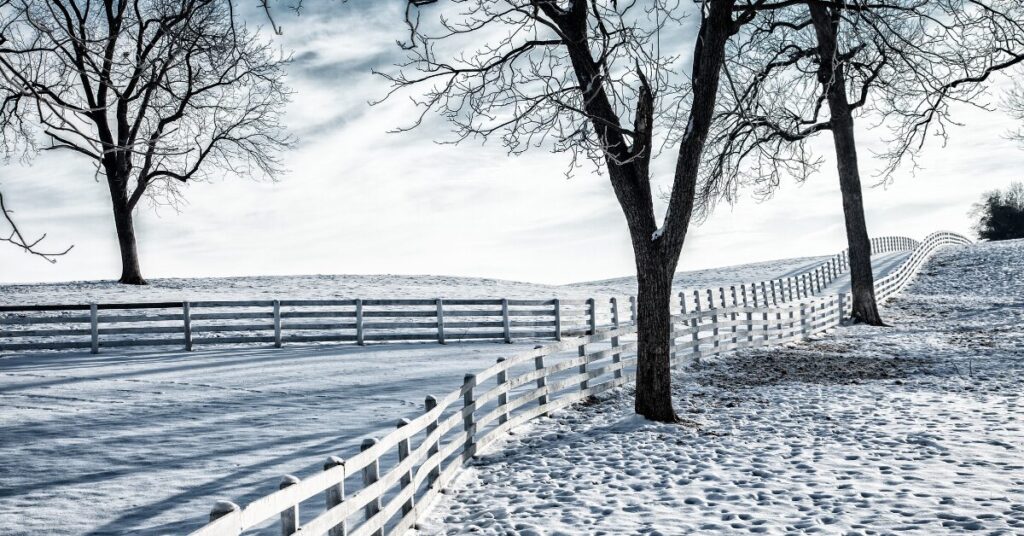
Wood fence covered in snow on a farm

Essential Fence Maintenance Tips Before Winter Hits

You wouldn’t want to be a fence in any season. Standing guard day in and day out, never taking a break, having to roll with everything Mother Nature can throw at you. But being a fence in winter might be worst of all. Snow, ice, extreme cold, and constant moisture will extract a significantly large toll: weakening posts, warping boards, and dulling finishes. The good news? With a little preparation before temperatures drop, you can protect your fence from winter’s harsh effects, preserve its appearance, and extend its lifespan. Here, then, are five essential fence maintenance tips to think about before the cold sets in. 1. Inspect for Damage Before the First Freeze Before the first frost, take time to walk your fence line and look for signs of wear. Loose boards, rusted nails, cracked panels, or soft spots in wood can all worsen once freezing temperatures arrive. Why? When moisture seeps into small cracks and freezes, it expands, causing further splitting or structural damage. For wood fences, gently test each post to make sure it’s still secure in the ground. For metal fencing, check for any rust or loose fasteners that may compromise your fence’s stability. Addressing these issues early prevents small problems from becoming expensive repairs once the ground is frozen and conditions are far less forgiving. 2. Clean Your Fence Thoroughly As important as aesthetics are, a clean fence is about more than that; it’s about protection. Dirt, mildew, and organic debris can trap moisture against the surface, accelerating rot or corrosion. So to this end, give your fence a thorough cleaning before winter to help it withstand months of cold and moisture-laden weather. Start by removing leaves, mud, and cobwebs with a stiff brush or broom. Then, wash the fence using a mild detergent and warm water. For an even deeper clean, you can put your power washer to work (first make sure the material allows). Once your fence is fully dry, you’ll be ready to apply protective treatments or coatings for added durability. 3. Apply a Fence Sealer or Finish In terms of fence maintenance tips, this is a big one, especially for wood fences: Make sure to apply a fresh coat of fence sealer before winter hits. This offers unparalleled fence protection. A high-quality, weatherproof sealant, stain, or paint goes a long way toward locking out moisture and preventing swelling, warping, and rot. Choose a product designed for exterior use and reapply it every few years for the best results. For those of you with metal fences, winter fence protection primarily comes down to fighting off rust. Apply a rust-resistant coating or paint, especially if you spot any scratches or exposed areas. Vinyl fencing, though low-maintenance, can also benefit from a gentle cleaning and a UV-protective finish to prevent cracking in cold, dry air. 4. Clear Snow and Wet Debris Regularly Once winter begins, snow and related wet debris can put unnecessary stress and strain on your fence. Heavy snowdrifts can bend panels or cause posts to lean, while piles of soggy leaves can trap moisture and promote rot. After each snowfall, then, use a broom or plastic shovel to gently remove snow buildup along the fence line. Take care to avoid metal shovels or sharp tools; they can chip paint, scratch surfaces, and damage wood. Keeping the base of your fence clear not only reduces strain but also helps with drainage as snow begins to melt. 5. Trim Nearby Trees and Shrubs The final tip in our definitive list of fence maintenance tips is another big one. Branches weighed down by snow and ice can break and damage your fence in seconds. Dense vegetation can also hold moisture against the fence, promoting mold or mildew. So before winter arrives, trim back any overhanging limbs and maintain a clear perimeter around your fence line. This not only minimizes physical damage during storms but also allows sunlight and airflow to reach the fence, helping it dry more quickly after rain or snow. Spare a Thought for Fences Thank goodness none of us actually need to be fences: all the more reason to take proper care of our ever-watchful, ever-enduring backyard sentinels. So take the time to prepare your fence for winter by following these simple fence maintenance tips. We promise your effort will pay off handsomely in lasting strength, safety, and beauty for your fence.  And for the tools, supplies, and expert advice you need to keep your fence (and the rest of your property) in top shape this winter, come out and see the good folks at Ladiesburg Lumber: your local source for quality materials and trusted home improvement guidance.

Read More
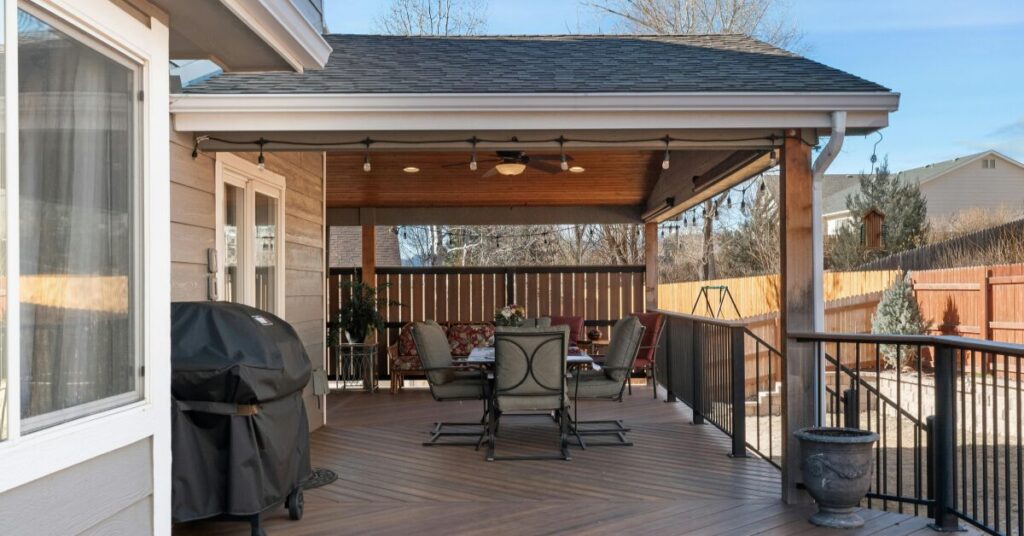
A elegantly designed deck with a portioned off roofed section housing an eating area, and a more open area for grilling and hanging out.

Keeping Your Clients’ Decks Safe This Winter: A Deck Maintenance Checklist for Contractors

When it comes to winter weather, Maryland might not be Maine, Michigan, or Montana, but December through March around here is harsh enough, and the beautiful decks you spent all spring and summer crafting will be feeling it. Between snow, ice, and freeze-thaw cycles, even the most well-built outdoor spaces can suffer damage if not properly maintained. Helping your clients prepare their decks before cold weather hits isn’t just good customer service, then (though it is that), it’s a way to protect your work, reduce costly callbacks, and create opportunities for off-season business. In this guide, we’ll cover the essential do’s and don’ts for your winter deck maintenance checklist: ensuring your clients’ decks stay safe, intact, and looking their best when spring arrives. 1. Why Winter Prep Should Be on Every Contractor’s Deck Maintenance Checklist Winter deck prep is about prevention. Moisture intrusion, rot, and structural weakening often start small, but by spring can become major repair calls. Thus, performing seasonal maintenance not only extends deck longevity but also builds trust and loyalty with your clients. In addition, offering fall inspections or winter maintenance packages gives you a steady stream of off-season revenue. So instead of waiting for warm weather to ramp up again, you can use the colder months to perform essential upkeep: ensuring every deck you’ve built remains a showcase for your work. 2. Do: Offer a Thorough Deck Cleaning and Inspection Service Start by clearing away leaves, dirt, and debris that trap moisture against the deck’s surface. Follow up with a deep clean, which will reveal problem areas like cracked boards, loose fasteners, or shifting railings. Be sure to inspect structural components—including posts, joists, beams, and connections—for signs of movement or deterioration. Explain to your clients that having a clean, dry surface before winter prevents mold, mildew, and premature materials decay. Pro Tip: Bundle this service into an annual maintenance plan. Offering fall deck cleaning and inspection packages helps clients see you as their long-term deck care expert. 3. Do: Reseal and Protect the Deck Surface Fall offers the perfect weather window for performing some wood deck protection services, i.e., applying sealers or stains. This is because most such products cure and adhere best when applied in temperatures ranging between 50°F and 80°F. Recommend or apply high-quality sealants rated for moisture resistance and cold weather durability. When sealing or staining deck lumber, focus especially on high-traffic areas and spots most exposed to the elements. This not only enhances appearance but adds a crucial layer of protection against water penetration and possible freeze damage. By taking the time to explain your product choices and application techniques, you showcase your expertise and build client confidence in your craft. 4. Do: Advise Clients on Proper Furniture and Accessory Storage Remind your clients that outdoor furniture, planters, and rugs can trap moisture against deck lumber boards, leading to discoloration and decay. Recommend removing or elevating these items for winter, or using breathable, waterproof covers. You can even offer optional add-ons like furniture pads. A small touch like this reduces deck-surface wear and tear and makes spring cleanup easier: another way to demonstrate your commitment to quality client care. 5. Don’t: Use or Recommend Harsh De-Icing Products We’ve covered the do’s portion of the deck maintenance checklist for contractors. Now for a couple of don’ts. Deicing is typically a major concern for deck owners, but not all deicing products are deck-safe. Rock salt and chemical deicers can eat away at wood fibers, corrode fasteners, and discolor composite decking. Educate clients about safer alternatives such as calcium magnesium acetate (CMA) or even sand for improved traction. And remind your crew to always use plastic shovels or snow pushers rather than metal tools, to avoid scratching the deck’s surface. 6. Don’t: Let Snow and Ice Accumulate Unchecked Snow buildup means excess weight as well as melting cycles, both of which can cause structural strain and water infiltration. Offer snow removal as part of a winter wood deck protection and maintenance add-on, showing clients how to properly clear decks by following the board direction and avoiding sharp tools. A few minutes of snow removal throughout the season can prevent costly repairs later and keep decks safe for use all winter long. 7. Do: Promote Preventive Maintenance and Annual Inspections Encourage homeowners to schedule professional deck assessments every fall or early spring. Documenting the deck’s condition before snow hits helps prevent disputes and ensures clear communication with the client. 8. Bonus Opportunity: Sell Weather Protection Solutions Our final box on the contractor’s deck maintenance checklist? Offer clients long-term protection options like deck covers, awnings, or partial enclosures. Not only do these solutions extend deck life, but they also create excellent add-on or bundled service opportunities during slower months. Protect Their Decks, Protect Your Reputation Proactive winter prep protects both your clients’ decks and your reputation as a contractor. Fall is the ideal time for inspections, cleaning, sealing, and client education: the kind of professional, client-focused service that will keep customers coming back year after year and also help generate invaluable word-of-mouth marketing. And when you need top-quality materials and expert advice, Ladiesburg Lumber & Supply has you covered. From premium decking and stains to fasteners and weatherproofing solutions, our team helps contractors like you get every job done right. Do right by your clients and your business this fall by reaching out to Ladiesburg Lumber & Supply today.

Read More
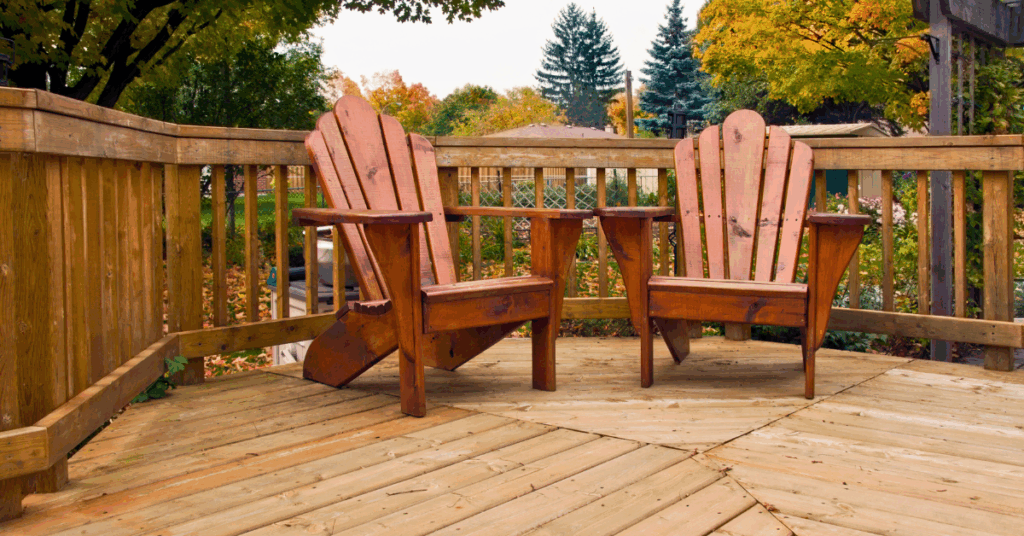
Two Adirondack chairs butt up against a wooden deck railing, ready to enjoy the fall weather.

Can You Build a Deck in the Fall?

Not only can you build a deck in the fall, you probably should build a deck in the fall. Why? For starters, fall brings with it not just cooler, drier weather but also increased contractor availability and potential savings on materials. There are even more good reasons why fall is perhaps the best time to build a deck. Read on to learn them all. 1. Weather Conditions One of the most practical reasons to consider a fall deck project is the weather. By September and October, the sweltering heat of summer begins to fade, making outdoor work far more comfortable for both contractors and homeowners who want to stay involved in the process. Cooler temperatures are also easier on building materials.  Extreme heat can sometimes cause wood to expand, warp, or dry too quickly during a deck installation. Fall’s milder conditions reduce these risks, leading to a more stable finished product. Additionally, the lower humidity levels often seen in autumn create an ideal environment for treating and sealing wood. This can result in better absorption and longer-lasting protection, ensuring your deck weathers the elements for years to come. 2. Contractor Availability Another advantage of fall deck building is ease of scheduling. Spring and summer are the busiest seasons for most contractors, with homeowners rushing to get projects completed before peak outdoor entertaining months.  By contrast, fall tends to be a slower time of year. This seasonal lull means you’re more likely to secure the contractor you want without the long wait. It may also result in quicker turnaround times, as crews can devote more consistent attention to your deck installation project, instead of juggling multiple jobs. For homeowners, it can all translate into a smoother, less stressful experience. 3. Material Considerations And fall doesn’t just benefit you when it comes to contractors and scheduling; it can also work in your favor when it comes to materials. Lumber and composite decking products respond much better to the cooler, drier air autumn in the Northeast and Mid-Atlantic is known for, as it minimizes warping and moisture-related issues during installation.  Additionally, autumn is often when suppliers are looking to clear out inventory before the end of the year. This can mean seasonal discounts or special pricing on decking materials, railings, and accessories. If you’re looking for a way to stretch your budget without sacrificing quality, fall could be the perfect time to build a deck. 4. Timing & Future Use Another great reason fall is the best time to build a deck is that it sets you up for success in the seasons to come. Instead of waiting until spring to start a project, potentially missing out on weeks of warm-weather enjoyment, if you build a deck in autumn you’ll already have a finished deck in place when the first sunny days arrive. This approach also means less disruption to your outdoor summer plans, i.e., instead of dealing with sawdust, tools, and construction noise in June or July, you’ll be free to host barbecues, family gatherings, or quiet evenings outside on your brand-new deck. 5. Potential Challenges Of course, fall deck building isn’t without its challenges, and we’d be remiss if we didn’t mention them here. Shorter days mean fewer daylight hours for crews to work, which can extend the timeline, at least slightly. Depending on exactly where you are in the Northeast or Mid-Atlantic, weather can also be a factor. To wit, sometimes heavy rain, early snow, or strong winds can cause short delays. All that being said, a skilled contractor will anticipate these challenges and plan accordingly. With good scheduling and clear communication, most fall projects move forward smoothly despite the occasional hiccup. Get a Jump on Next Summer Spring and summer are the traditional deck-building seasons. It’s true. But why be hemmed in by tradition when you can break the rules and take advantage of all the deck-building benefits fall has to offer? Cooler weather. Easier contractor scheduling. Potential cost savings. And the advantage of having your deck ready for lounging and entertaining next spring and summer, well ahead of when the weather turns nice. With the right preparation and an experienced contractor, fall could be the perfect season to bring your vision to life. And Ladiesburg Lumber could be the perfect company to help. If you’re thinking of building a deck now, give us a call or drop us a line today.

Read More
A painted black aluminum fence stretching down a sidewalk with hedges on the perimeter.

A Complete Guide to Aluminum Ornamental Fencing

Aluminum has been around for a long time, and has been put to much productive use. It’s light and it’s strong, making it an ideal material for applications that need both attributes in equal measure, like aircraft. But it would be a mistake to not consider the versatile metal in applications where beauty is also required, which brings us to aluminum ornamental fencing. An aluminum ornamental fence is, more and more, becoming the go-to choice for homeowners and business owners alike, as it combines the beauty of traditional wrought iron with the strength and longevity of modern materials. Such fencing offers a sophisticated look without the extensive amount of upkeep. Whether you’re aiming to add curb appeal to your home, enhance the security of your commercial property, or create a defined boundary without obstructing views, an aluminum ornamental fence can deliver. Benefits of an Aluminum Ornamental Fence Durability and Rust Resistance Unlike iron or steel, aluminum won’t rust or corrode, making it ideal for areas with varying weather conditions. It’s designed to withstand rain, snow, humidity, and sun exposure without weakening over time (which makes it great for both aircraft and for fences). Low Maintenance Requirements Once installed, aluminum fencing needs minimal care, i.e., no annual painting, sealing, or intensive upkeep. Occasional cleaning with soap and water is typically enough to keep it looking sharp year-round. Elegant Appearance and Design Versatility An aluminum ornamental fence offers the timeless charm of wrought iron while allowing for modern design flexibility. It can complement anything from a historic home to a sleek commercial building, all without compromising strength. Aluminum Fence Styles & Design Options Panel Styles Concord: Panel Heights: 36″, 42″, and 48″ Specialty Heights Available Upon Request Bottom Type: Flush Bottom Colors: Black, Bronze, and White Lexington: Panel Heights: 36″, 42″, 48″, 54″, 60″, and 72″ Specialty Heights Available Upon Request Bottom Type: Flush Bottom or Picket Through Colors: Black, Bronze, and White Charleston: Panel Heights: 36″, 42″, 48″, 54″, 60″, and 72″ Specialty Heights Available Upon Request Bottom Type: Flush Bottom or Picket Through Colors: Black, Bronze, and White Saratoga: Panel Heights: 36″, 42″, 48″, 54″, 60″, and 72″ Specialty Heights Available Upon Request* Bottom Type: Flush Bottom or Picket Through Colors: Black, Bronze, and White Available Top Options: Straight, Scalloped, and Arched Trenton: Panel Heights: 36″, 42″, 48″, 54″, 60″, and 72″ Specialty Heights Available Upon Request Bottom Type: Flush Bottom or Picket Through Colors: Black, Bronze, and White Installation Considerations DIY vs. Professional Installation If you have the tools and skills, aluminum fencing can be a manageable DIY project. However, professional installation ensures precision, long-lasting stability, and a flawless finish. Preparing the Site Clear debris, check property lines, and ensure the ground is level before starting. Accurate measuring is crucial to avoid gaps or issues with alignment. Common Installation Challenges Uneven terrain, rocky soil, or property line disputes can complicate the installation process. Professionals can easily navigate these issues with specialized equipment and experience. Cost Factors Material Quality and Style Thicker, higher-grade aluminum will cost more but provides added durability. Decorative features and custom finishes can also affect the price. Labor Costs Professional installation costs from, say, an aluminum fence supply company, varies based on fence length, terrain complexity, and design intricacy. Long-Term Value While aluminum ornamental fencing can have a higher upfront cost than wood or chain link, its longevity and low maintenance make it a cost-effective choice over time. Maintenance Tips Cleaning and Upkeep Wash your beautiful new aluminum ornamental fence with a mild soap-and-water solution every few months to remove dirt, pollen, and debris. Spot Repairs and Touch-Ups For small scratches or chips, touch-up paint can prevent corrosion and maintain appearance. Protection Against Environmental Wear Trim plants and shrubs near the fence to avoid trapping moisture around your fence, and inspect periodically for signs of damage after storms. The Best of All Worlds Aluminum ornamental fencing offers a unique blend of elegance, strength, and practicality. It resists rust, requires minimal upkeep, and can be customized to match your property’s unique style. And we’d be remiss if we didn’t mention, somewhere in this blog, our favorite aluminum fence brand: Patriot Aluminum, which does all of the above better than the rest at a price you can afford. But whether you’re upgrading your home’s curb appeal or securing a business, an aluminum ornamental fence of any make delivers long-term value and timeless beauty. And if you’re looking for a company to professionally install your aluminum ornamental fence, look no further than Ladiesburg Lumber Supply: the area’s top aluminum fence supply company. For a complimentary quote on your next fence, get in touch with us today.

Read More