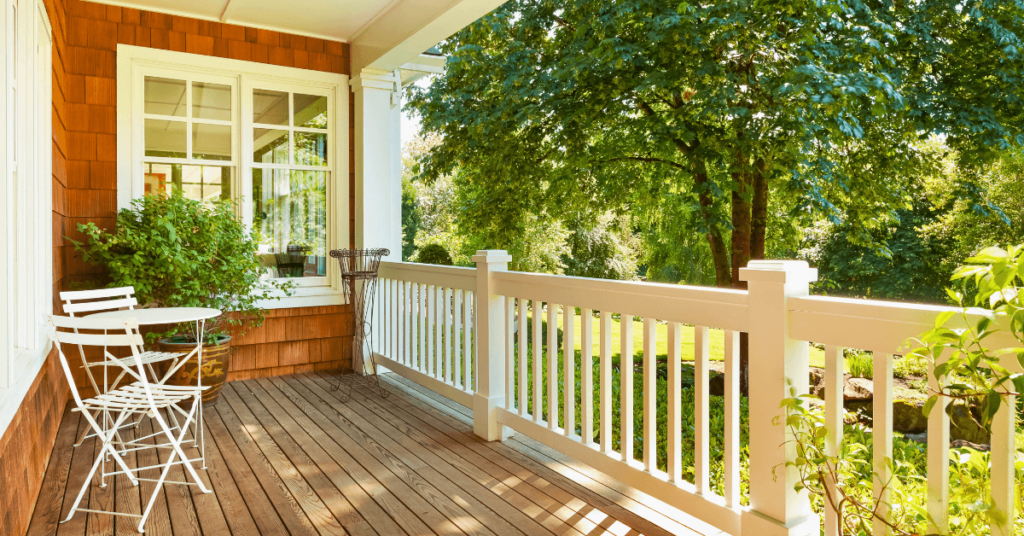
A beautifully designed side porch with white deck railing and matching furniture.

How to Choose the Right Deck Railing

A car without seatbelts. A climbing wall without harnesses. A bike without a helmet. What do these have in common? They’re all missing vital safety features… and a deck without a railing would be right at home on that list. A deck railing is an absolute must, for reasons that are (hopefully) obvious. It’s a crucial safety feature that needs to be sturdy, but luckily there are plenty of options to also make it an aesthetically striking part of your outdoor space. Whether you want a sleek design or a more traditional look, choosing the right railing is key to your personal style. In this guide, we’ll give you a few pointers—safety and aesthetics—so you can make an informed decision you’ll be happy with. Understand Your Needs Before making any material or design selections, it’s important to understand your needs in terms of your deck railing. Here are the “big three” things you should take into consideration: Primary Function: Do you plan on prioritizing safety, visuals, or a combination of the two? If your deck is elevated or frequently used by pets and children, safety will likely be a priority for you. If those things aren’t a concern and you want to create a visual focal point, though, aesthetics may take precedence. Environment: When working with any outdoor project, it’s important to take weather into consideration. When choosing materials for your railing, keep in mind that their durability can be affected by rain, ice, direct sunlight, and more. Some materials deal with these things well, while others may need frequent maintenance because of it. Budget: Railing options cover a wide price range, so it’s important to set an amount you’re willing to spend. This process will generally help you eliminate several options you’re on the fence about. Material Options Now that you’ve identified your needs, it’s time to select what your deck railing will be made of! Wood Pros: Wood railings are perfect for offering that natural, classic aesthetic that helps bridge the gap between nature-made and man-made. It offers versatility thanks to its ability to be stained, painted, or carved. Cons: Wood requires more maintenance than most other options, as it can warp, crack, or rot. Metal (Aluminum, Steel, Iron) Pros: Known for its durability, metal has low maintenance requirements thanks to its weather resistant capabilities. In addition, it gives a sleek look that’s perfect for the more modern-minded. Cons: Metal options—steel and iron in particular—are often more expensive than other materials. With the exception of aluminum deck railing, they may rust if not treated properly. Composite Pros: If you want low maintenance requirements and a range of style options, composite deck railings are the way to go. Composite materials are designed to mimic the style of wood without the upkeep requirements. Cons: Those with a keen eye can tell the difference between composite and wood, and feel composite lacks the charm of more traditional materials. In addition, composite deck railing options typically have higher price tags than metal or wood. Glass Pros: If you want unobstructed views, a glass railing is a great option. Enjoy your scenic surroundings on your modern-inspired deck! Cons: This option will require more frequent cleaning to remove dirt and smudges (just think of how often you have to clean your windows). Style and Design Considerations Just as two cars with the same engine can look vastly different, two well-built decks can give off entirely different visuals as well. Let’s consider the options that will determine your railing’s appearance. Balusters and Spindles: These are the vertical pieces that connect top and bottom rails. There are plenty of designs you can choose for them, from traditional straight wood to stylish metal spindles. Top Rails and Handrails: When selecting your top rail, comfort and grip should be the priority. Go with a style that looks good, but also feels comfortable to the touch. After all, guests will likely be leaning on the railing frequently. Color and Finish: Perhaps the first thing most people notice about many things in life—be it a house, a car, a dog, etc.—is its color. A deck railing is no different. Select something that complements your deck and home well. As for the finish, we suggest one that offers good UV protection to prevent fading. Installation and Maintenance Once you’ve made all your selections, it’s time to install your railing! Should you do it yourself or hire a professional? DIY Versus Professional Installation If you’re handy and enjoy tackling home improvement projects, this is definitely up your alley. It could save on labor costs, but will take more time and effort. Another thing to consider is your skill level. You may love doing projects yourself, but this is a significant safety feature we’re dealing with. Be honest with yourself when considering a DIY project. Do you have the skills to do it right? Conversely, professional installation will ensure the railing is installed correctly and follows any safety codes and regulations. The up-front cost may be higher, but the money you’ll likely save in maintenance costs over time will easily make up for it. Maintenance Tips Even if you select materials that boast low maintenance requirements, there’s still some upkeep that can be done to extend the life of your railing even more. Here are a few tips: Clean your railings regularly to remove dirt, grime, and other forms of debris. Conduct an inspection every season to make sure you aren’t missing signs of warping, rot, or other damage. Apply protective coatings and treatments as needed. This is especially vital for metal and metal deck railing installations, as it helps them last much longer. Safety and Compliance As we’ve said plenty of times already, safety should be your top priority; people won’t care how pretty your deck is if there’s a serious accident. It’s important to adhere to local building codes and safety standards. Building Codes: These will dictate requirements such as the height, spacing, and strength of the railing. For instance, standard regulations typically dictate that your railing needs to be at least 36 inches tall. Safety Standards: It’s important to ensure that the spacing between balusters is small enough that pets and children won’t be able to fit through. Your railing’s strength should also be able to withstand a large amount of weight and pressure without breaking or even bending. It’s Time to Install Your Deck Railing Making the right choices around your deck’s railing requires a careful balance of functionality, safety, and aesthetics—though those three things shouldn’t be equally weighted. Safety should always be a priority, especially on decks that are high above the ground. By considering your preferences, making smart material selections, and ensuring you’re in compliance with all safety regulations, you can make a decision that checks all the boxes! Though a DIY project may be enticing, we recommend hiring the professionals to make sure everything is installed correctly and you have a deck that serves you well for years to come. Get in touch with us and we’ll help you along in the railing selection process!

Read More
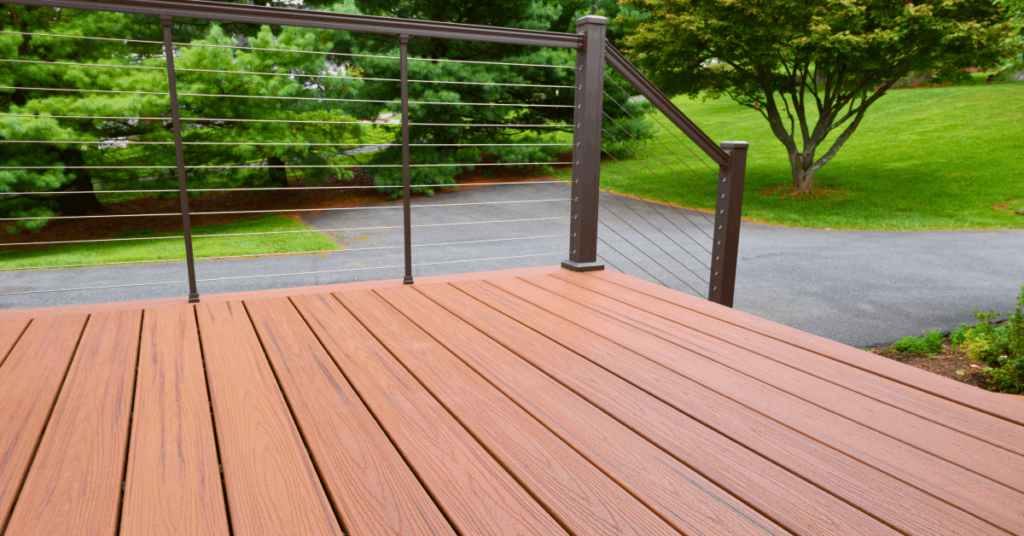
A close up shot of composite decking with metal wire railings.

Why You Should Choose Composite Decking Boards for Your Deck

Decking takes a beating. It must endure sun, snow, storm, hail, heat, wind, rain, and ice. Day after day. Year after year. So while building a deck is an exciting home improvement project–offering family and friends a lovely space in which to enjoy the outdoors–because of the harsh environment it lives in, it's important to choose the right material so it stays looking good. But with the variety of decking materials available, choosing the right one can be overwhelming. The material you select not only impacts the deck's appearance but also its durability and maintenance needs over time. Among the options available, composite decking has emerged as a top contender for homeowners looking for a blend of beauty and resilience. Here’s why. What Is Composite Decking? How Composite Decking Is Made Composite decking is a man-made building product. So-called “engineered building products” are ubiquitous in construction these days, for both interior and exterior use. Composite decking boards include an equal mix of recycled wood fibers and recycled plastic that are bonded together. These materials combine to create a composite board that mimics the look of wood but comes with enhanced durability and a reduced need for maintenance. Composite decking boards are often capped with a polymer shell for even greater resistance to the elements. Comparison With Traditional Wood Decking Wood is wood, and while beautiful, when used for decking it can warp and splinter. It also requires regular upkeep, including staining, sealing, and the occasional replacement of damaged boards. Composite decking is engineered to resist these common issues. The beauty of composite decking is that it provides the aesthetic appeal of wood without the hassle–able to maintain its appearance and structure for years with minimal effort or expense on your part. Benefits of Composite Decking Boards Durability: Resistant to Rot, Mold, and Insects Wood will rot. Maybe not the wood inside your house, but with enough exposure to the elements all exterior woods–even those that are pressure treated–will eventually break down. As such, one of the most significant advantages of composite decking boards is their durability: their stubborn resistance to the common issues that plague wood decks, such as rot, mold, and even insect infestations. This means your deck will maintain its structural integrity and appearance. Low Maintenance: No Need for Staining, Sealing, or Painting Wood requires upkeep. Painting. Staining. Sealing. Composite decking is very low-maintenance by comparison, as there’s no need for any of the aforementioned tasks. A simple occasional cleaning is all that’s required to keep your composite board deck looking great. This ease of maintenance allows you to spend more time enjoying your deck versus working on it. Aesthetics: Wide Variety of Colors and Textures that Mimic Wood There was a time when composite decking boards came in a limited range of colors. No longer. With their increasing popularity and advancements in manufacturing technology, there’s now a wide range of composite decking colors available for homeowners to choose from. Textures have come a long way, as well, with finishes that make composite decking essentially indistinguishable from natural wood–whether you prefer the look of oak, cedar, or walnut, These boards also maintain their color and finish over time, without fading, unlike traditional wood. Eco-Friendly: Made From Recycled Materials For environmentally-conscious homeowners, composite boards also make a great decking choice. The wood fibers and plastics they’re made from are recycled materials, which means less waste going into landfills and fewer trees being cut down. Thus, a composite deck installation supports sustainability efforts–reducing your environmental footprint. Long-Term Cost Efficiency: Lower Maintenance and Replacement Costs Over Time Composite boards can be more expensive to buy upfront, it’s true, but they’re cheaper in the long run. The reduced need for maintenance, combined with greater durability, means composite decking requires fewer repairs and replacements over the lifespan of your deck. Common Misconceptions About Composite Decking Myths: "Composite Decking Looks Fake" And "It’s Too Expensive" Despite its demonstrated benefits, myths about composite decking persist. One common myth is that composite decking looks fake, or that it looks like plastic. Again, this is no longer the case. Advancements in materials technology and manufacturing mean modern composite decking is almost indistinguishable from natural wood. Another persistent myth is that composite decking is prohibitively expensive. Again, while the upfront cost may be higher, the savings on maintenance and replacement boards more than make up for it over the lifespan of the deck. Advancements in Technology That Make Composite Decking a Viable Option Technology marches on, and not just in the obvious industries, like electronics. The construction industry benefits from technological advancement, too. Innovations in materials manufacturing have enhanced the durability, texture, and eco-friendliness of composite decking boards, not to mention the expansive range of composite decking colors now available. All of this makes a composite deck installation a superior option for those who want a long-lasting, beautiful deck. Strong, Stylish, Smart Outdoor spaces are an important part of any home. As much as having a home is about a place to stay warm and dry in comfort and style, being able to get out into the fresh air and entertain or just relax is arguably just as important. So if you’re building a deck you want it to last, and you want it to look good for a long time. Composite decking offers a compelling combination of durability, low maintenance, aesthetic appeal, and environmental benefits. It stands out as a smart investment for any homeowner looking for a long-lasting and beautiful outdoor space.

Read More
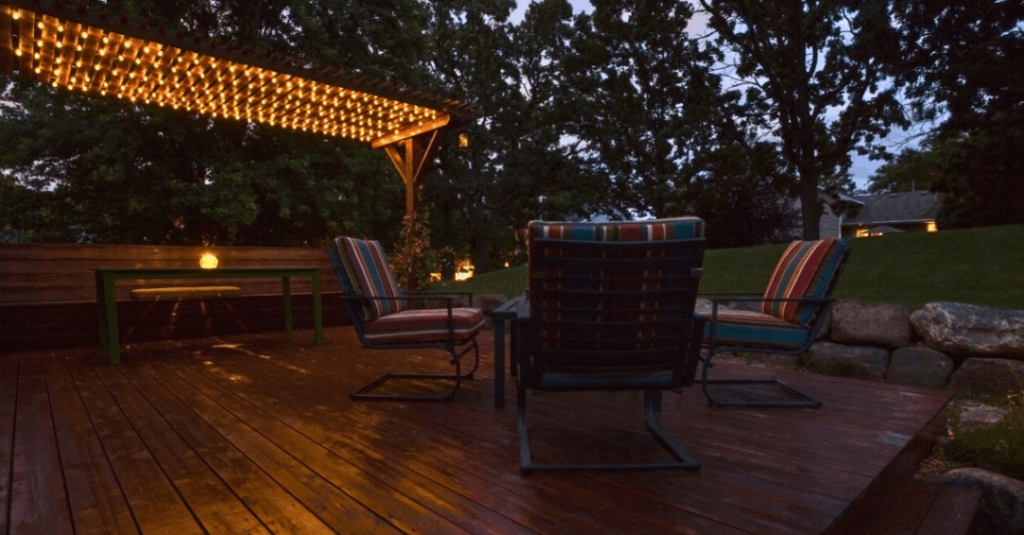
An open layout deck with chairs grouped off to the side as the night begins.

Expert Installation Tips for Deck Lights

It’s time to light up the night! While you may want a bit of shade during the day, it’s essential to have enough light after the sun goes down. More than just a practical addition to your already-stunning outdoor space, deck lights are an essential component that can provide safety, functionality, and of course, great aesthetics. Quality lighting can be the difference between a simple deck and a neighborhood hotspot for gatherings. The demand for well-lit decks keeps growing as homeowners are aiming to improve their outdoor space experiences—whether it’s dining, relaxing, or entertaining. None of those things are enjoyable if the lighting is underwhelming or missing altogether. To make sure your deck is the talk of the neighborhood, let’s take a look at some ways you can get the most out of outdoor deck lights. Planning and Design Assess the Deck Layout The first step to great deck lighting is figuring out where to position it. Instead of installing it in random places, consider the whole design of the deck. This will help you identify challenges and opportunities to place your lights in ideal locations. Be sure to focus on stairs, railings, and seating areas, as these are the spots that will help you maximize enjoyment and safety. Choose the Right Type of Lighting You have options when choosing the type of lights for your deck: Post Cap Lights: These provide great mood lighting. Thanks to their positions on top of deck posts, they provide even, subtle lighting. Recessed Lights: These are installed flush with the surface of the deck, which helps to highlight important focal areas. String Lights: These are the most versatile of the bunch. They’re decorative and allow you to create a cozy atmosphere. When you’re choosing your light types, think of the ambience, functionality, and even energy efficiency they offer. Low voltage deck lighting is a great option thanks to their long lifespans and energy-saving features. Electrical Considerations Power Source There are a few different ways to power your deck lights: Solar: This is easy to install and energy-efficient. Just take care to place the panels where they’ll get enough sunlight to provide illumination when you need it. Low Voltage: This is possibly the most versatile option, thanks to its safety and efficiency. Line Voltage: This is often found on larger or commercial decks due to the brighter lighting it provides. There are advantages and drawbacks to each power source option. While solar lights are environmentally friendly, they’re not recommended in regions that don’t get much sunlight. Low voltage deck lighting is safe and easy to install, and line voltage boasts the most power but requires careful planning and installation. Wiring and Safety It’s vital that you have proper wiring before installing your outdoor deck lights. Why? There are plenty of aesthetic and troubleshooting considerations, as well as safety and compliance concerns. Weather-resistant materials are an important implementation to ensure every connection is protected from rain and other elements. Your local electrical codes should be a driving factor in your wiring and installation. It’s recommended that you familiarize yourself with them, hire a qualified electrician, or both. Safety is the number one concern when working with electricity, so be sure you aren’t putting too much strain on your circuits. An overload could spell disaster under certain circumstances. Furthermore, ensure you’re using GFCI outlets, proper insulation, and grounded wiring. Installation Techniques Preparing the Deck Preparation can make or break an installation!. Make sure you clear the deck of any and all obstacles, and make sure the whole surface is clean and dry before you benign. Make sure there’s no damage to the deck that needs to be addressed before installation. A clean deck ensures good adhesion and an installation that lasts for a long time. Installing Different Types of Lights The installation process can vary significantly depending on the type of deck lights you’re installing. Cap lights need mounting brackets, and recessed lights call for holes to be drilled into the deck surface itself. No matter which lights you choose, make sure you space them out and properly align them to provide even distribution across the area you want to cover. Weatherproofing and Durability As we mentioned earlier, weatherproofed wiring and equipment is crucial not only to the longevity of the lights themselves, but also the safety of anyone using the deck in the future. We reiterate that you should be using waterproof connectors and sealant where it’s necessary. Despite all that, regular maintenance is recommended to make sure everything is in working order. Checking for loose connections and making sure all light lenses are clean can make for a long lifespan for your lights. No matter what choices you make, you’ll need the proper tools to bring it all together. The one-stop hardware store at Ladiesburg Lumber is happy to supply you! Aesthetic Considerations Ambiance Aside from providing visibility, deck lights are primarily used to provide a warm and inviting atmosphere for its visitors. We’ve already covered the importance of placing your fixtures strategically, but the color of the light itself can make a noticeable difference in the mood. Opt for warm lighting that helps people relax. Dimmers and other smart controls can also play a significant role in your deck’s ambiance. Highlighting Key Features Though accent lighting isn’t great for visibility, it can highlight significant architectural features like pergolas or hedges. Draw attention to key fixtures with spotlights and uplights. Troubleshooting and Maintenance Common Issues and Solutions As with all electrical equipment, there’s always the possibility of troubleshooting issues. Given enough time, you can even consider these issues inevitable. If you notice flickering lights, malfunctioning fixtures, or inconsistent lighting, you should address it to make sure there’s no damage. Check all connections, replace bulbs, or adjust your power sources if necessary. In more extreme cases, resetting the entire system or replacing faulty components entirely may be required. Regular Maintenance If you have a regular maintenance and inspection routine established, many of the issues above can be addressed promptly or avoided altogether. This includes damage checks, fixture cleaning, and the replacement of worn out parts. If you need to perform cleaning on lenses and fixtures, be sure to use mild cleaning agents and stay away from abrasive materials that may damage your equipment. Time to Light Up Your Deck If you want your deck lights to be installed perfectly, careful planning is required. By making sure you’re selecting the right equipment, considering your visual preferences, and accounting for troubleshooting, you’re setting yourself up for success with your lighting installation. Get in touch with us at Ladiesburg Lumber for additional tips related to expert decking!

Read More
A beautiful back deck with grill front & center and umbrella covered table in the distance.

5 Deck Building Tips for Deck Builders

You’ve got the contract. You’ve got the lumber. But what about the actual strategy for building a deck? For deck builders new to the profession, there are a few tips that shouldn’t be ignored when you’re constructing decks for your customers. To maximize customer satisfaction and make work you’re proud of, take account of these current building tactics in your deck contracts. 1: Plan Thoroughly We know you’re eager to start swinging hammers and spinning the buzzsaw, take care to plan everything—and we mean everything. What are your customer’s preferences? This is the obvious one, as no homeowner is going to simply tell a contractor to build a deck with no further specifications. But past the customer’s needs, consider the setting. Available space is a major factor here. You won’t be limited if the property you’re working on is huge, but you’ll need to get creative when space is tight. In addition, consider the deck’s height and how it will affect the stairs. Utilizing software and other tools can help you be precise in your planning, providing accurate measurements and renderings that will help you work and give your customers a thorough understanding of the plans. 2: Choose Quality Materials We’d be remiss if we didn’t mention top-quality materials here. Because not every kind of lumber is made equal, the choice you make could have an impact on the longevity and even safety of the deck you build. Smart deck builders will educate their customers on the benefits of choosing materials that may not be the cheapest but will require minimal maintenance and repairs in the long run. But what are the determining factors in the quality of decking materials? It goes without saying that flimsy wood of any kind should be avoided at all costs, but other factors aren’t so apparent. Durability against weather elements, resilience to pests, and lasting aesthetics all contribute to the need (or lack thereof) for maintenance. Generally, the higher quality materials offer great durability features. Want to step up the quality even more? Composite decking boards offer yet another layer of protection from the elements! 3: Prioritizer Structural Integrity Under no circumstances should you compromise on the structural integrity of any deck. Without proper foundational aspects like proper support, framing, and anchoring translates to a long-lasting structure. It also means the deck you’re building will be up to code and free of any safety risks. And speaking of safety risks… 4: Incorporate Safety Features Deck builders should always prioritize safety. You don’t want to bear the financial or conscious burden of one of your decks collapsing or causing some other form of injury. Those staircases and decks with questionable railings may look cool and modern, but they’re injuries waiting to happen. Consider the often overlooked issue of sunburn, as well. Being outside is great, but too much sun can do a lot of damage to the skin. If your customers are looking for some shade options, an awning is just the ticket! Of course, no deck comes with a rock solid guarantee that there won’t be an injury; humans can be chaotic and unpredictable no matter what safety tips their deck contractor gives them. What if kids are being rowdy and one of them falls? That’s why you should always have adequate liability insurance coverage. If the unthinkable happens on a deck you built, it’s good to have taken precautions. 5: Regular Maintenance and Inspections When that final nail has been hammered, the work is done, right? Wrong! Encourage your customers to take care of their new deck so they can enjoy it for years to come. We’ve already discussed choosing durable materials, but wear and tear is bound to happen no matter what you use. Given enough time, deterioration happens. Sometimes it’s not apparent, which is why you should encourage regular inspections by a professional deck contractor. Educating your customer on basic maintenance routines can also build invaluable trust! Conclusion In following these five tips, new deck builders (and those who are a bit rusty) can provide consistent quality in all their projects. Thorough planning, quality materials selection, safety prioritization, and more can help you build an impressive reputation and goodwill in your target customer base. When you’re ready to purchase those quality decking materials, give Ladiesburg Lumber a visit. With so many options, deck contractors can make great things happen!

Read More
Inside the Ladiesburg Lumber showroom, there are samples of composite decking on the wall, deck fence cross sections on the right side of the floor, a small step up with built in lights towards the left, and more deck fence samples to the left of the photo.

How to Choose the Best Composite Decking

What if we told you that you could have a beautiful, durable deck to make memories on for years to come without constant maintenance worries? Composite decking is rapidly becoming a popular choice, and for good reason! It offers a great alternative to traditional wooden decks because of its durability, attractive appearance, and of course, low maintenance. But before you take the plunge and start building, there are some things to take into consideration. Taking some time to research options like contractors, prices, and your own needs will guarantee an ideal finished product. Factors to Consider We’ll take a look at specifics of materials soon, but first let’s glance at some factors that will help you make a decision. Durability Not every composite decking material is the same. Keep an eye out for decking that will keep itself together and resist staining, fading, scratching, and mold. It’s also a big advantage to have a deck that holds its own against harsh weather. Low price points may be enticing in the moment, but if they mean you’re getting a deck that will look faded and warped in the near future, cross them off your list. Maintenance Do you have a busy lifestyle? If so, you probably don’t want to spend your leisure time making fixes to this area that’s meant to help you relax. Though this decking option is known for requiring less maintenance than wood, some brands are simply better at keeping that promise than others. At Ladiesburg Lumber, we prioritize quality materials by partnering with trusted manufacturers like Fiberon, Trex, and TimberTech. Aesthetics Nobody wants an ugly deck, but you certainly don’t want a deck that looks completely different than your home. When you’re shopping around, keep in mind how yours will look in comparison to your house. You’ll be kicking yourself if you go with an option that clashes heavily with everything around it. You don’t want a light-colored deck when the trim elsewhere on your property is much darker. Another factor to keep in mind is fencing. If possible, choose a look for your deck that matches that of your existing fence. The colors will all come together for a satisfying scheme! And of course, if you need a hand in making your choices, we’re always happy to help! Take a look at our gallery for some inspiration. Price Wooden decks tend to require comparably more maintenance and repairs, and they often aren’t cheap. While the price tag for composite boards is higher than wood decking, that cost is made up over time thanks to low maintenance needs. The question here is, “Can I cover the initial price?” If so, this is an investment worth making. With good care, that price tag is going to be a no-brainer when you look back on it years from now. Different Composite Decking Boards This stuff is made to be strong! The combination of recycled wood fibers, plastic, and chemical binding agents makes for an impressively sturdy material. This formula isn’t the same across the board though (pun intended). Again, some manufacturers just make better stuff than others, so here are some variables to look for. At Ladiesburg Lumber, we make it a point to offer high-quality products from the best brands! Composition: The fiber/plastic/chemical ratio of the material varies from brand to brand, which can affect its appearance and performance. Capped vs. Uncapped: Some brands make their materials even more durable by capping it with a protective layer, so keep an eye out for this valuable feature! Texture and Color Options: Another big advantage of composite decking boards is the variety of textures and colors available. Get creative with your choices so you end up with a deck that is 100% you! Assessing Your Needs No two homeowners are alike. What may be an end-all-be-all feature to one person might not matter in the slightest to another. Due to this diversity in needs across the spectrum of homeowners, a huge array of options are available. Now it’s time to narrow those options down! Here are a few things to think about Climate If you live in a place that sees a lot of humidity and rain, you probably won’t want to use the same materials as someone living in a dry region. You’ll want to prioritize mold resistance, whereas they won’t have as much of a need for it. Usage What is your deck going to be used for? Relaxation? Cookouts? A little bit of both? Having a solid answer will help with material selection as well as design! Local Regulations As with any construction project, you need to make sure your planned deck won’t be violating any local regulations with its materials. Researching Brands and Reviews In any given area, there are several materials manufacturers and sellers on the market. Naturally, some are more reputable than others. Researching the best one for your project can be the difference between total satisfaction and an expensive piece of regret. Reputation What do other people say about the brands you’re considering? Do they have a good reputation with the community and people you know personally? Our experts can help guide your decision-making. Just give us a call! Customer Reviews Similarly, online reviews can be a big help when making your decision. Check out Google, Yelp, and other reputable sources for customer feedback. Keep a keen eye out for common praises and complaints to help you identify the worthwhile contributions. Warranty Length and coverage of the warranty on your deck should never be overlooked. If the unfortunate happens and you do require repairs or replacement, you want to have the reassurance that you’re covered. Making Your Decision So you’ve researched the best results for “composite decking near me”, weighed the factors, and assessed both your needs and buying options. It’s time to make your decision! Don’t be afraid to get in touch with the pros or even visit their showroom to see everything (and everyone) in person. Building a deck is a huge step in the journey to having a wonderful home. By understanding your options as well as the start-to-finish process, you’re setting yourself up for an investment that will bring you joy and relaxation for years to come. When you’re ready for this big leap, get in touch with us at Ladiesburg Lumber. Are you ready to make your deck the best place for cookouts, hangouts, and everything in between?

Read More